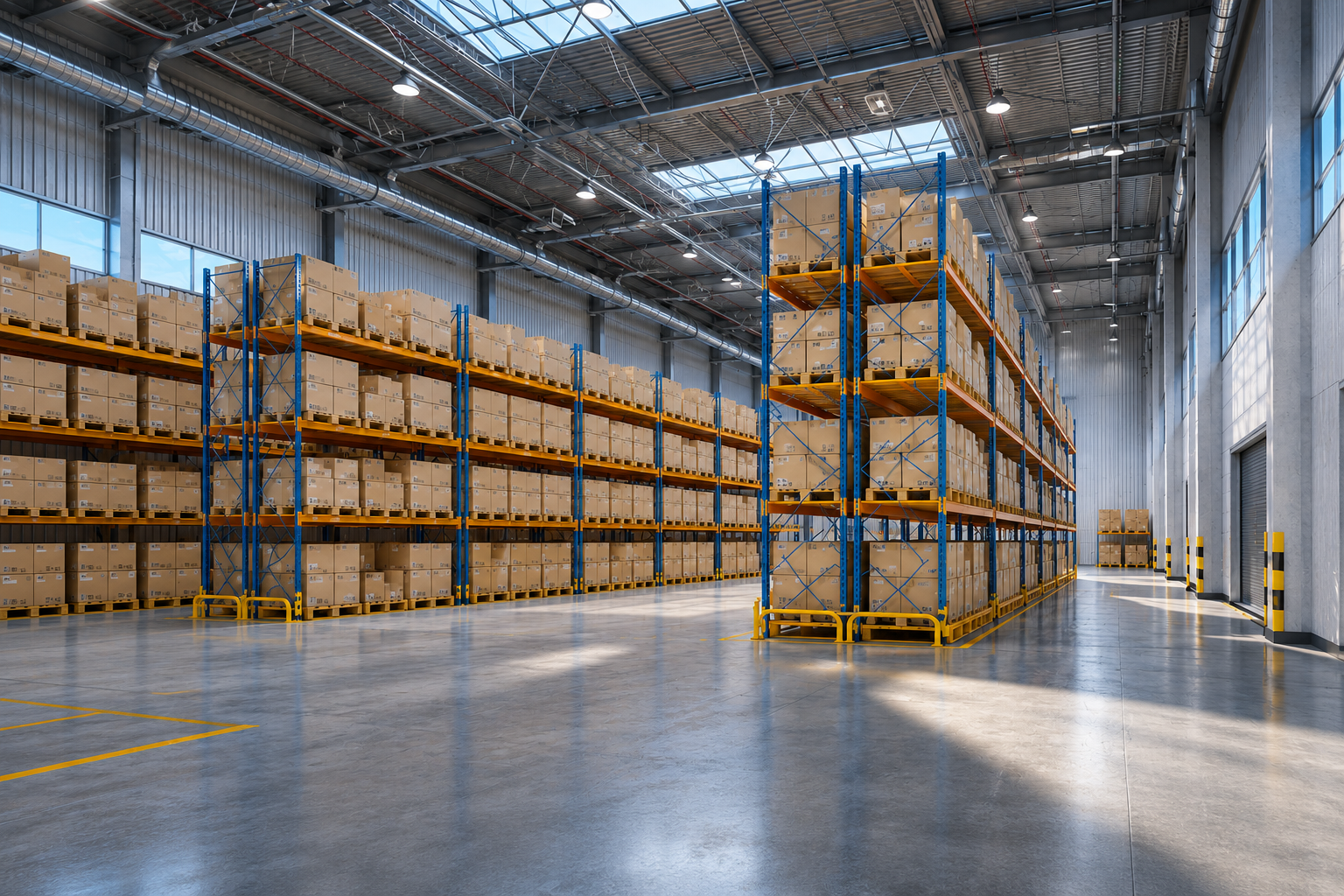

Explore how modern warehouses optimize returns management to improve efficiency, recover value, and strengthen reverse logistics operations
The Growing Challenge No Warehouse Can Ignore
E-commerce has transformed fulfillment but it’s also created a new operational reality.
For many organizations, returns are no longer an occasional disruption. They’re a constant, high-volume flow that puts pressure on space, labor, and systems. In some industries, return rates can reach 20–30% or higher, forcing warehouses to handle not just outbound shipments, but a steady stream of inbound products coming back. And yet, many facilities are still designed almost entirely for forward movement.
That’s where the problem begins and where warehouse returns management becomes a strategic opportunity.
Why Returns Are More Than Just a Cost Center
Traditionally, returns have been treated as a necessary evil, something to process as quickly and cheaply as possible. However, in modern supply chains, that mindset is shifting.
Returns represent:
- Recoverable inventory value
- Opportunities to restock and resell quickly
- Critical touchpoints for customer satisfaction
When handled effectively, reverse logistics can improve margins, reduce waste, and even enhance the overall customer experience. The key is moving from reactive handling to intentional design.
The Complexity of Modern Returns Processing
Unlike outbound fulfillment, returns are unpredictable.
Products arrive:
- In varying conditions
- Without consistent packaging
- With different disposition requirements
Each returned item may need to be:
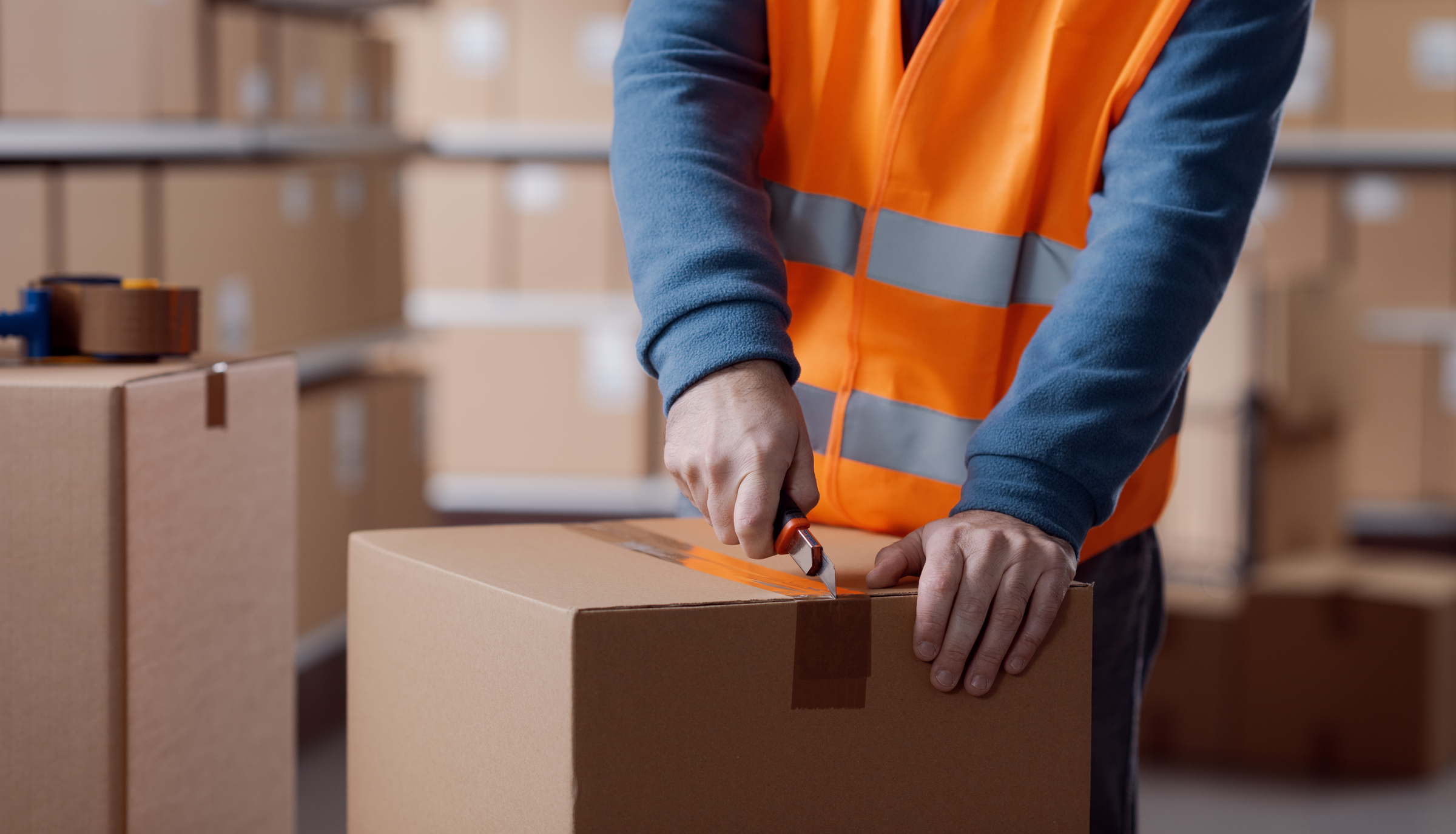
- Inspected
- Tested
- Repackaged
- Restocked, refurbished, or discarded
This variability makes returns processing far more complex than traditional picking and shipping.
Without the right workflows in place, returns can quickly overwhelm operations, creating bottlenecks, increasing labor costs, and tying up valuable space.
Why Traditional Warehouse Designs Fall Short
Most warehouses are optimized for outbound efficiency. They prioritize fast picking, packing, and shipping but leave little room for reverse flow.
As return volumes increase, this creates several challenges:
- Returns clog receiving areas
- Labor is pulled away from outbound operations
- Processing delays reduce product recovery value
- Inventory visibility becomes fragmented
Trying to force returns into a forward-focused system rarely works. Instead, organizations need to rethink how the reverse supply chain fits into the broader operation.
Designing Dedicated Reverse Logistics Zones
One of the most effective ways to improve warehouse returns management is by creating dedicated areas for returns processing.
These zones are designed specifically for the unique requirements of reverse logistics, including:
- Inspection and quality assessment stations
- Sorting and disposition areas
- Repackaging and refurbishment workflows
By separating returns from outbound operations, warehouses can:
- Reduce congestion
- Improve processing speed
- Maintain efficiency across both workflows
This shift allows returns to be handled as a structured process, not an interruption.
Speed Matters: Recovering Value Faster
In returns management, time directly impacts value.
The longer it takes to process a return, the less likely it is that the product can be resold at full price. Delays can also lead to:
- Missed resale windows
- Increased handling costs
- Inventory write-offs
That’s why modern returns processing focuses on speed and accuracy.
Fast inspection and disposition decisions allow products to:
- Be restocked quickly
- Re-enter available inventory
- Minimize financial loss
In high-volume environments, even small improvements in processing time can lead to significant gains in recovered value.
Integrating Systems Across the Reverse Supply Chain
Technology plays a critical role in making reverse logistics efficient and scalable.
A connected system ensures that returns are:
- Tracked from the moment they’re initiated
- Routed to the correct processing workflows
- Updated in inventory systems in real time
Warehouse management systems (WMS) integrated with order management and customer systems provide the visibility needed to make fast, informed decisions.
This level of integration is essential for managing the complexity of the reverse supply chain, especially as return volumes continue to grow.
Turning Returns Into a Competitive Advantage
Organizations that invest in optimized warehouse returns management gain more than operational efficiency. They gain a competitive edge.
Efficient returns processes can:
- Improve customer satisfaction through faster refunds and exchanges
- Increase inventory recovery rates
- Reduce waste and sustainability impact
- Lower overall cost of returns
In a market where customer expectations are high and margins are tight, these advantages matter.
Why This Matters for Complex Distribution Networks
For organizations operating at scale, returns aren’t just a warehouse issue—they’re a network-wide challenge.
Inefficient reverse logistics can impact:
- Inventory availability
- Transportation costs
- Customer experience
By designing facilities and systems that support both forward and reverse flows, businesses create more resilient and adaptable supply chains.
Turning Strategy Into Execution
Optimizing returns isn’t just about adding space, it requires a coordinated approach across layout, workflows, and technology. That’s where Tompkins Solutions brings value.
With deep expertise in designing and optimizing complex distribution environments, Tompkins Solutions helps organizations:
- Redesign facilities to support reverse logistics
- Implement efficient returns processing workflows
- Integrate systems across the reverse supply chain
- Improve speed, visibility, and value recovery
The result is a more balanced operation, one that handles returns as effectively as it fulfills orders.
Rethinking the Role of Returns in the Warehouse
Returns are no longer an afterthought. They’re a defining part of modern supply chains. Organizations that continue to treat them as a disruption will struggle to keep up. Those that redesign their operations around them will unlock new efficiencies and new opportunities. In today’s environment, success isn’t just about getting products out the door. It’s about how efficiently you bring them back and what you do next. Contact us today to learn more!


About Shaun Kelly


How can we help improve your supply chain operations?
Schedule a consultation or contact Tompkins Solutions for more information.
Featured Posts
Discover valuable resources to enhance your knowledge.

.png)