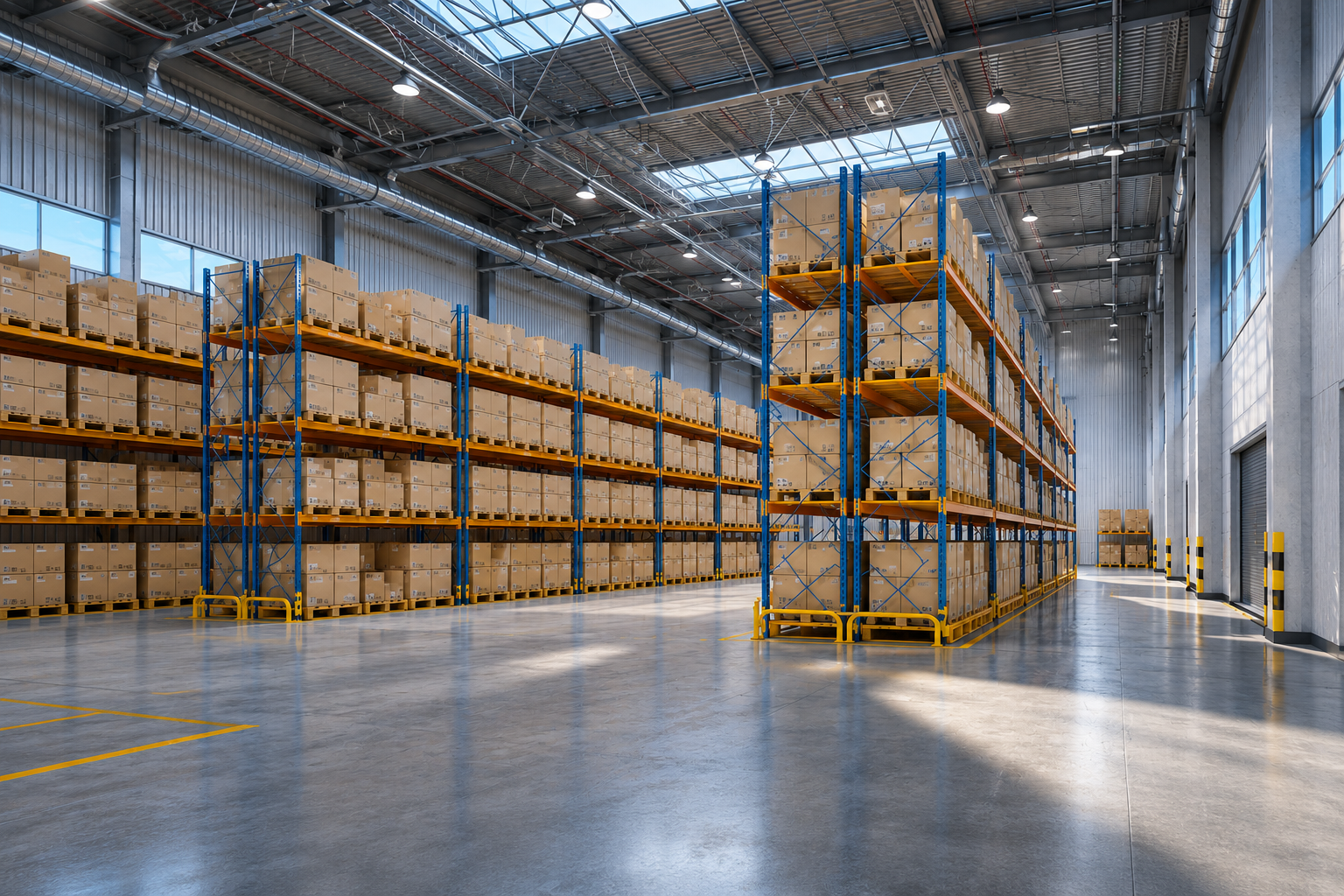

Discover how scalable warehouse design supports business growth, improves operational flexibility, and prepares facilities for future demand.
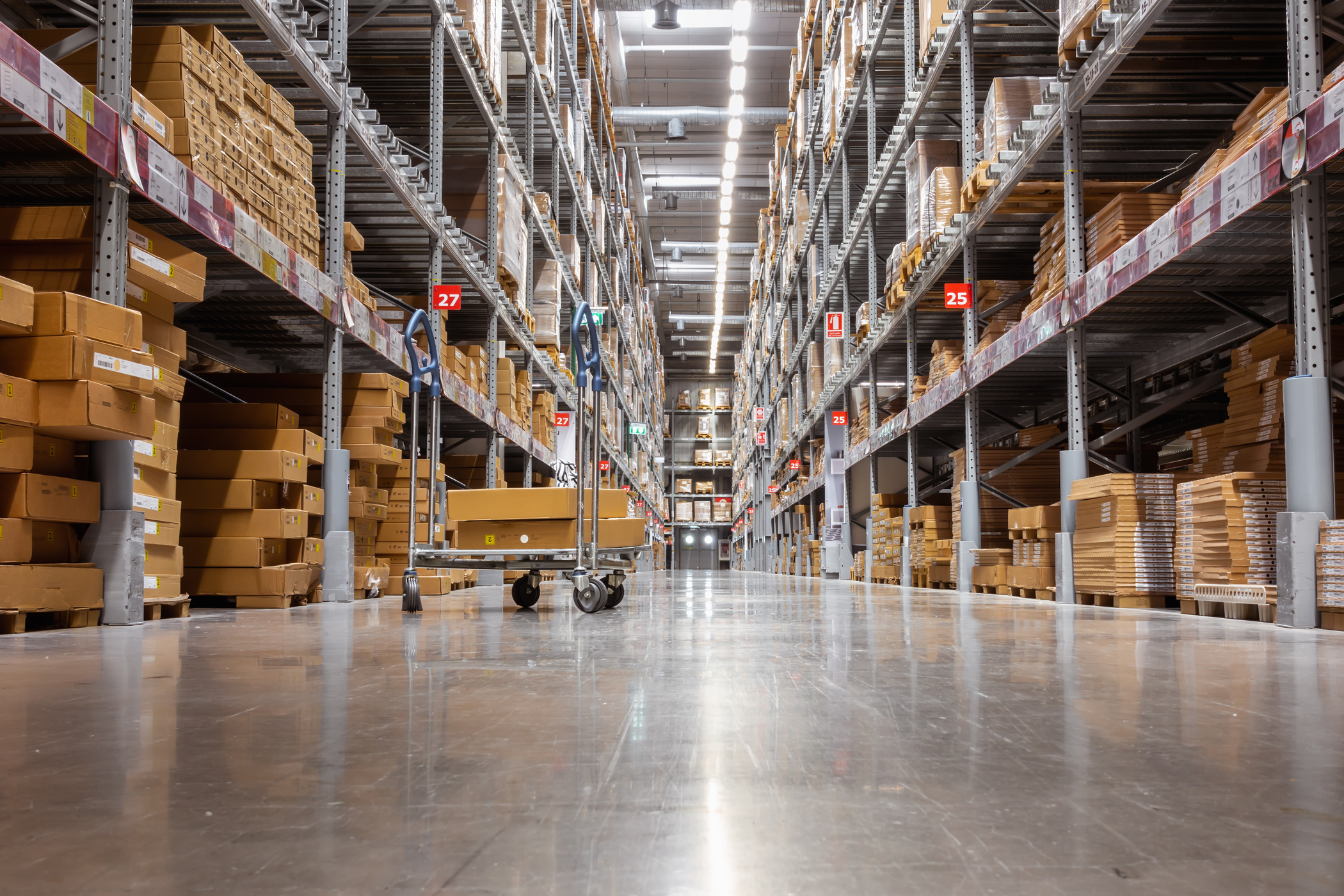
The Biggest Mistake in Warehouse Design Isn’t What You Think
When companies invest in a new warehouse or retrofit an existing facility, the focus is almost always on current needs, current volumes, current SKUs, current workflows. And that’s exactly where things go wrong.
Because the reality is, warehouses don’t fail when they’re built. They fail a few years later, when the business grows, demand shifts, and the facility can’t keep up. This is where warehouse scalability becomes critical.
Designing for today might solve immediate challenges. Designing for tomorrow is what protects your operation long term.
What Warehouse Scalability Really Means
At its core, warehouse scalability is the ability of a facility to adapt and grow without requiring a complete redesign or relocation.
That growth can take many forms:
- Increased order volume
- Expanded product lines
- New fulfillment channels
- Changing customer expectations
A scalable warehouse doesn’t just handle these changes, it absorbs them efficiently.
And for organizations managing complex distribution networks, that flexibility is essential to supporting long-term supply chain growth.
Why Scalability Is No Longer Optional
Supply chains today are more dynamic than ever. E-commerce continues to evolve. Customer expectations around speed and accuracy are rising. Product assortments are expanding. And demand patterns are becoming less predictable. In this environment, static warehouse designs quickly become obsolete.
Without scalability, organizations often face:
- Space constraints that limit growth
- Inefficient workflows as volume increases
- Costly retrofits or emergency expansions
- Operational disruptions during peak demand
By contrast, scalable distribution centers are built to evolve, allowing businesses to grow without constantly rebuilding their infrastructure.
Common Mistakes That Limit Warehouse Scalability
Despite its importance, scalability is often overlooked during the design phase. Here are some of the most common missteps:
Designing for Current Volume Only
Many facilities are built around existing demand, with little consideration for future growth. As volume increases, the layout becomes congested and inefficient.
Underestimating SKU Growth
As product lines expand, storage and picking strategies become more complex. Without flexible design, this leads to overcrowding and slower fulfillment.
Limited Dock Capacity
Dock doors are often sized for current throughput, not future demand—creating bottlenecks as inbound and outbound volumes grow.
Inflexible Layouts
Fixed infrastructure and rigid layouts make it difficult to reconfigure workflows as business needs change.
Ignoring Technology Integration
Failing to plan for automation or system upgrades can limit the ability to scale operations efficiently over time.
Each of these challenges can be avoided with proper warehouse expansion planning from the start.
Designing a Warehouse That Can Grow With You
Scalability isn’t about overbuilding, it’s about building smart. A well-designed facility includes flexibility at every level, starting with layout.
Flexible Space Allocation
Designing with open, adaptable areas allows operations to expand or shift without major disruption.
Modular Storage Systems
Racking and storage solutions that can be easily reconfigured or expanded support changing inventory needs.
Scalable Dock Operations
Planning for additional dock doors or flexible dock usage helps accommodate future increases in volume.
Infrastructure for Automation
Even if automation isn’t implemented immediately, designing with it in mind ensures the facility can support it later.
Strategic Use of Vertical Space
Maximizing cubic capacity provides room for growth without expanding the building footprint. These elements work together to create a facility that evolves alongside the business.
The Role of Technology in Scalable Distribution Centers
Technology is a key enabler of warehouse scalability.
A flexible warehouse management system (WMS) allows operations to:
- Adapt to changing order profiles
- Support new fulfillment channels
- Scale labor and processes efficiently
As operations grow, additional technologies, such as automation, robotics, and advanced analytics, can be layered in without disrupting the entire system.
This ability to scale both physically and digitally is what defines truly scalable distribution centers.
Planning for Growth Without Overcommitting
One of the biggest challenges in warehouse expansion planning is balancing current investment with future needs. Overbuilding can tie up capital unnecessarily. Underbuilding can lead to expensive corrections later.
The key is designing with a phased approach:
- Build for current operations
- Plan for near-term growth
- Enable long-term expansion
This ensures that the facility can scale in stages, without requiring major overhauls.
Why Scalability Matters for Complex Supply Chains
For organizations with large, multi-node distribution networks, scalability isn’t just about one facility, it’s about the entire system.
A single constrained warehouse can create ripple effects across the network, impacting:
- Inventory positioning
- Transportation efficiency
- Service levels
By investing in warehouse scalability, organizations create a more resilient and adaptable supply chain, one that can respond to change without breaking down.
Turning Strategy Into Scalable Execution
Designing for scalability requires more than good intentions. It takes a deep understanding of how operations, technology, and growth trajectories intersect. That’s where Tompkins Solutions brings value.
By combining data-driven analysis with real-world operational expertise, Tompkins Solutions helps organizations design facilities that not only meet current needs but are built for future supply chain growth.
From layout optimization to long-term warehouse expansion planning, the focus is always on creating flexible, high-performing environments that scale with the business.
Building for What’s Next
Warehouses are long-term investments. The decisions made during design don’t just impact today’s operations, they shape what’s possible years down the line. Scalable design ensures that growth doesn’t become a problem to solve, it becomes an opportunity to capture. Because in modern supply chains, success isn’t just about keeping up. It’s about being ready for what comes next.
Visit our website to learn more about warehouse scalability!


About Shaun Kelly


How can we help improve your supply chain operations?
Schedule a consultation or contact Tompkins Solutions for more information.
Featured Posts
Discover valuable resources to enhance your knowledge.

.png)