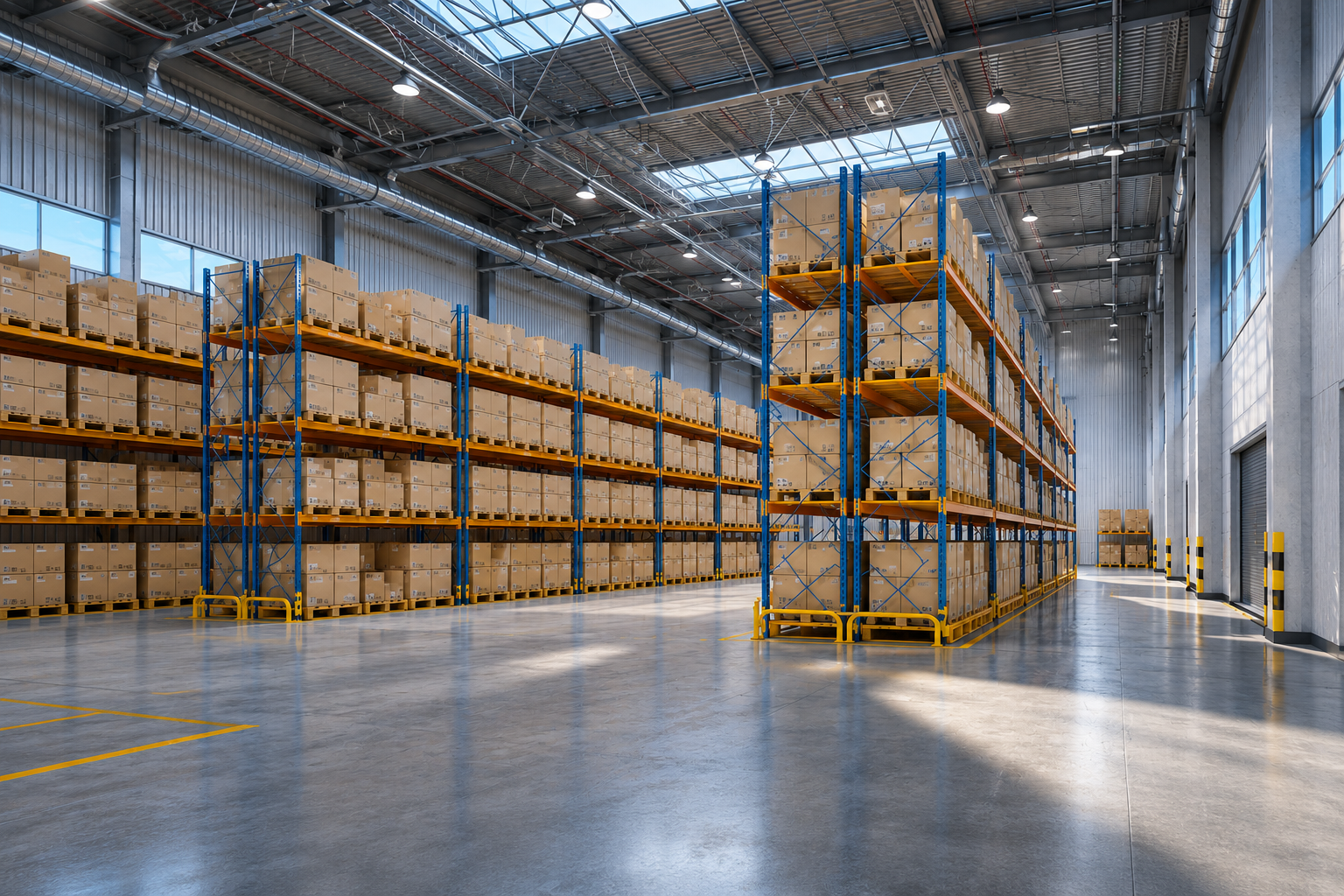

Learn how integrated warehouse systems eliminate silos, improve throughput, and support faster, smarter

Modern warehouses are under more pressure than ever. Customer expectations for speed, accuracy, and visibility continue to rise, while operations face tighter labor markets, growing SKU complexity, and fluctuating order volumes. In this environment, many performance issues don’t stem from lack of effort or technology, they stem from silos.
Warehouse silos form when systems, processes, and teams operate independently instead of as a unified whole. Data lives in different platforms. Decisions are made in isolation. Information arrives too late to be actionable. The result is slower throughput, higher costs, and missed opportunities for improvement.
Eliminating these silos through integrated warehouse systems is no longer optional. It’s a foundational step toward building a faster, smarter, and more resilient operation.
What Are Warehouse Silos and Why Do They Persist?
Warehouse silos occur when different parts of the operation fail to share information or align workflows effectively. Common examples include:
- Warehouse Management Systems (WMS) operating separately from Transportation Management Systems (TMS)
- Labor planning disconnected from real-time order volume
- Inventory data updated in batches rather than continuously
- Automation systems running independently from execution software
- Inbound, outbound, and returns managed as separate workflows
These silos often develop over time as operations grow, new technologies are added, or facilities expand. While each system may perform its individual function well, the lack of integration prevents the warehouse from operating as a cohesive ecosystem.
The consequences are significant and often hidden.
The Hidden Cost of Disconnected Systems
Silos don’t just slow operations; they quietly erode performance across the entire warehouse.
Reduced Throughput
When systems don’t communicate, work can’t flow smoothly. Pickers wait for replenishment updates. Shipping teams don’t have real-time visibility into order readiness. Dock congestion increases because inbound and outbound schedules aren’t synchronized.
These inefficiencies compound, reducing the number of orders the warehouse can process per hour, even when labor and equipment are available.
Slower, Riskier Decision-Making
Disconnected systems lead to delayed or incomplete data. Leaders make decisions based on yesterday’s reports instead of real-time conditions. By the time issues are identified, the opportunity to course-correct has already passed.
Without integrated data, it becomes difficult to answer critical questions such as:
- Where are today’s bottlenecks?
- Do we have enough labor for the next shift?
- Which SKUs are at risk of stockouts?
- How will a surge in orders impact outbound capacity?
Increased Operational Costs
Silos often force teams to rely on manual workarounds, spreadsheets, emails, and redundant data entry. These add labor costs, increase error rates, and divert attention away from value-added activities.
Over time, disconnected systems also limit scalability, making growth more expensive and disruptive than it needs to be.
Integration as the Foundation of High-Performance Warehousing
Integrated warehouse systems break down silos by creating a continuous flow of information across people, processes, and technology. Instead of reacting to problems after they occur, integrated operations anticipate and adapt in real time.
At its core, integration connects:
- Inventory visibility
- Order management
- Labor planning
- Automation and material handling
- Transportation and shipping
- Performance analytics
When these elements work together, the warehouse becomes more than a collection of systems, it becomes a coordinated, intelligent operation.
How Integrated Systems Improve Throughput
Throughput is one of the most immediate benefits of eliminating silos.
End-to-End Workflow Alignment
Integrated systems ensure that receiving, storage, picking, packing, and shipping are aligned around shared priorities. Inbound schedules inform slotting decisions. Picking activity triggers replenishment automatically. Orders flow through the facility without unnecessary stops or delays.
This alignment reduces idle time, minimizes congestion, and keeps inventory moving consistently from dock to dock.
Real-Time Inventory Accuracy
Accurate, real-time inventory data is essential for high throughput. When systems are integrated, inventory updates instantly as items are received, moved, picked, or shipped. This eliminates mispicks, reduces rework, and prevents downstream delays caused by missing or misplaced inventory.
Higher inventory accuracy also allows for more aggressive picking strategies, such as wave-less or dynamic fulfillment, which further boosts throughput.
Smarter Labor Utilization
Integrated labor and execution systems match staffing levels to real-time demand. When order volume increases, labor can be reallocated dynamically. When volume slows, resources shift to value-added tasks like cycle counting or replenishment.
This flexibility helps warehouses move more product with the same workforce — without burning out teams or increasing overtime.
How Integration Transforms Decision-Making
Beyond speed, integration dramatically improves the quality and timing of decisions.
From Reactive to Proactive Operations
In siloed environments, problems are addressed after they cause disruption. Integrated systems provide early visibility into emerging issues, allowing leaders to intervene before service levels suffer.
For example:
- Identifying congestion trends before docks back up
- Adjusting labor plans ahead of order spikes
- Rerouting inventory proactively to support priority orders
This shift from reactive to proactive decision-making is a hallmark of high-performing warehouses.
Single Source of Truth
Integrated systems create a unified data environment where everyone, from floor supervisors to executive leadership, works from the same information. This eliminates conflicting reports, reduces confusion, and builds confidence in operational decisions.
When data is trusted, decisions are faster, more consistent, and more effective.
Actionable Analytics
Integration turns raw data into actionable insight. Instead of reviewing isolated metrics, leaders can analyze performance across the entire operation, identifying root causes, not just symptoms.
This holistic view supports continuous improvement initiatives, capacity planning, and long-term network optimization.
Eliminating Silos Requires More Than Technology
While technology is essential, eliminating warehouse silos is not simply a software project. It requires thoughtful design, process alignment, and change management.
Process Comes First
Integration should start with clearly defined workflows. Technology should support how work needs to flow, not force operations to adapt to rigid systems.
Mapping end-to-end processes helps identify where handoffs break down and where integration will deliver the greatest impact.
Designing for Integration
Warehouse layout and material flow play a critical role in integration success. Poorly designed facilities can undermine even the most advanced systems.
Integrated operations require:
- Clear, logical material flow
- Defined automation zones
- Scalable layouts that support future integration
- Space planning aligned with system requirements
This is where engineering and operational expertise become essential.
Change Management Matters
Breaking down silos often means changing how teams work and make decisions. Successful integration includes training, communication, and leadership alignment to ensure teams adopt new workflows and trust integrated systems.
The Tompkins Solutions Approach
At Tompkins Solutions, we understand that integration is not about connecting systems in isolation, it’s about designing operations that work as a unified whole.
Our approach combines:
- Supply chain and warehouse consulting
- Facility and material flow design
- Systems and automation integration
- Scalable technology roadmaps
- Operational readiness and implementation support
We help organizations identify silos, redesign workflows, and integrate systems in a way that improves throughput, strengthens decision-making, and supports long-term growth.
Whether you’re modernizing an existing facility or designing a new distribution center, integration is built into every recommendation, ensuring technology, layout, and operations work together seamlessly.
Building a Warehouse That Thinks as One
As fulfillment demands continue to accelerate, warehouses can no longer afford fragmented operations. Speed, accuracy, and resilience depend on integration, across systems, teams, and processes.
Eliminating warehouse silos unlocks measurable benefits:
- Higher throughput without proportional cost increases
- Faster, more confident decision-making
- Improved service levels and customer satisfaction
- Greater operational agility and scalability
The most successful warehouses are not the ones with the most technology, they’re the ones where everything works together.
Ready to Break Down Silos?
If your warehouse struggles with disconnected systems, delayed decisions, or throughput constraints, it may be time to rethink integration.
Tompkins Solutions helps organizations design and implement integrated warehouse operations that perform today and adapt for tomorrow.
Learn more at https://www.tompkinsinc.com/ and discover how integrated systems can transform your warehouse into a high-performing, future-ready operation.


About Shaun Kelly


How can we help improve your supply chain operations?
Schedule a consultation or contact Tompkins Solutions for more information.
Featured Posts
Discover valuable resources to enhance your knowledge.

.png)