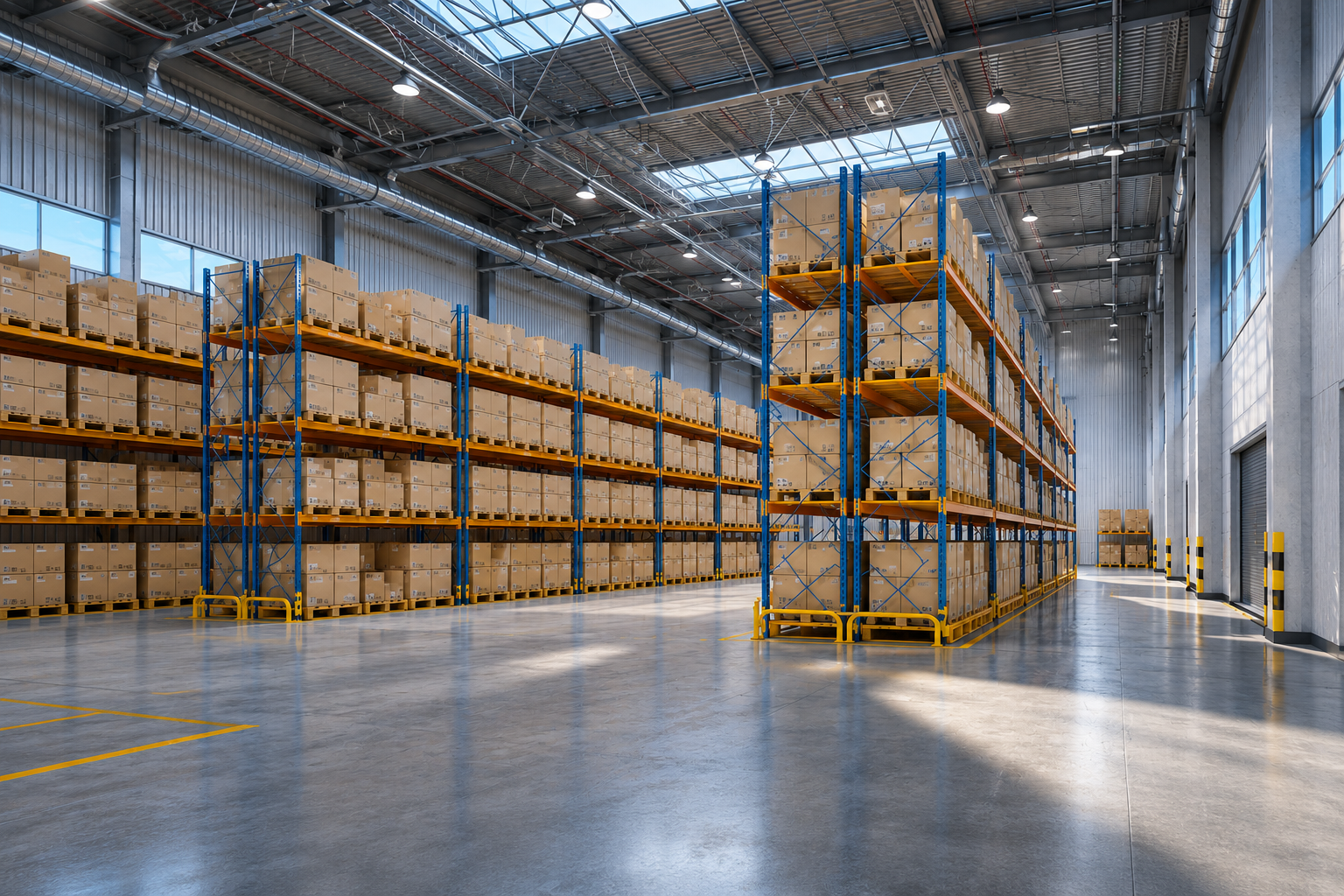

How warehouse layout, dock configuration, and integrated systems enable cross-docking strategies that reduce storage time, accelerate throughput, and improve supply chain efficiency.
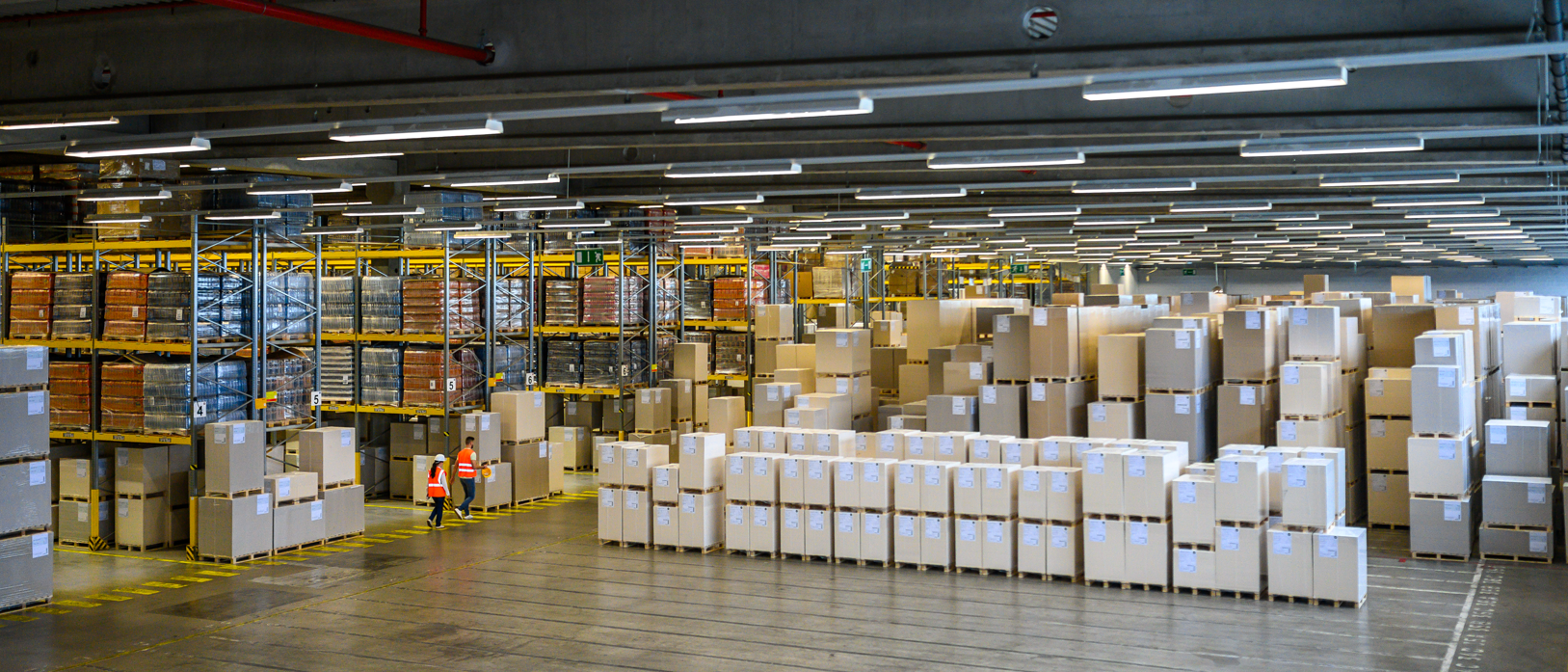
Why Storage Is No Longer the Star of the Warehouse
For decades, warehouses were designed around one core function: storage. But in today’s fast-moving supply chains, that model is quickly becoming outdated.
Speed, flexibility, and precision now define success. Organizations are expected to move products faster than ever, often with less space and tighter margins. As a result, many are rethinking their operations and turning to cross-docking strategies to eliminate unnecessary delays and unlock new levels of performance.
Instead of letting products sit in racks, cross-docking prioritizes flow, keeping goods in motion from the moment they arrive to the moment they ship.
What Cross-Docking Really Looks Like in Practice
At its core, cross-docking is about minimizing, or completely eliminating, storage time.
Products arrive at a facility, are quickly sorted or consolidated, and then transferred directly to outbound shipments. There’s little downtime, fewer touchpoints, and far less reliance on traditional storage systems.
This approach fundamentally changes how a warehouse operates. It shifts the focus from “where do we store this?” to “how fast can we move this?”
And that shift is what drives meaningful improvements in both warehouse throughput and overall distribution efficiency.
The Real Advantage: Speed Without Expansion
One of the biggest misconceptions about improving warehouse performance is that it requires more space. In reality, many organizations already have the capacity they need, they just aren’t using it efficiently.
By implementing effective cross-docking logistics, businesses can process significantly more volume within the same footprint.
Why? Because:
- Products aren’t sitting idle in storage
- Labor isn’t spent on unnecessary put-away and retrieval
- Dock operations become faster and more synchronized
The result is a facility that moves more product, more quickly, without the cost of expansion.
It Starts With Smart Warehouse Design
Cross-docking doesn’t happen by accident. It requires intentional design, starting with the physical layout of the facility.
Warehouses that support cross-docking are built for flow. That means minimizing the distance between inbound and outbound docks, creating clear staging areas, and ensuring that product movement is as direct as possible.
In many cases, the most effective layouts position inbound docks on one side of the building and outbound docks on the other, with a central transfer zone in between. This creates a clean, linear path that reduces congestion and keeps goods moving.
Even in existing facilities, small layout adjustments can make a big difference in enabling cross-docking strategies.
Dock Operations: Where Throughput Is Won or Lost
If the warehouse layout sets the stage, the dock doors are where the action happens.
Efficient dock configuration is critical to making cross-docking work at scale. Facilities need the flexibility to handle multiple inbound and outbound shipments simultaneously, without creating bottlenecks.
That often means increasing door availability, improving scheduling, and using dynamic dock assignments to adapt in real time.
Just as important is how staging is handled. Clearly defined staging lanes and fast sorting processes ensure that products don’t linger on the dock longer than necessary.
When dock operations are optimized, cross-docking logistics can operate at a pace that traditional models simply can’t match.
Technology Makes It All Possible
While layout and operations are essential, technology is what brings everything together.
Cross-docking depends on precise timing and coordination. Without real-time visibility, it’s nearly impossible to align inbound deliveries with outbound shipments effectively.
That’s where integrated systems come in. A well-implemented warehouse management system (WMS) can identify which products should bypass storage entirely, directing them straight to outbound staging. When paired with a transportation management system (TMS), organizations can synchronize shipments, reduce dwell time, and improve load planning.
Add in real-time tracking tools like barcode scanning or RFID, and you get a level of control and responsiveness that’s critical for maintaining high warehouse throughput.
When Cross-Docking Delivers the Most Value
Not every operation is an ideal fit for cross-docking but in the right environment, the impact can be significant.
It works especially well when:
- Shipment volumes are high
- Demand is predictable
- Orders are pre-allocated before arrival
- Inventory moves quickly
Industries like retail, e-commerce, and consumer goods often see the biggest gains, but any organization focused on improving distribution efficiency can benefit from incorporating cross-docking into their strategy.
Finding the Right Balance With Hybrid Models
For many organizations, the best approach isn’t all-or-nothing.
Hybrid models, where cross-docking is used alongside traditional storage, offer the flexibility to handle a wider range of inventory types.
Fast-moving products can flow straight through the facility, while slower or less predictable items remain in storage. This balance allows businesses to optimize performance without sacrificing adaptability.
Turning Strategy Into Execution
Implementing cross-docking is more than just a process change, it’s a transformation that touches layout, operations, and technology.
That’s why many organizations partner with experts like Tompkins Solutions to guide the process. From designing optimized facilities to integrating systems and refining workflows, having the right strategy in place ensures that cross-docking delivers measurable results.
Moving Toward a Faster, More Efficient Future
The demands on today’s supply chains aren’t slowing down. If anything, they’re accelerating.
Cross-docking offers a clear path forward, helping organizations reduce storage time, increase warehouse throughput, and achieve new levels of distribution efficiency.
For companies ready to move beyond traditional warehousing models, contact us today to learn more.


About Shaun Kelly


How can we help improve your supply chain operations?
Schedule a consultation or contact Tompkins Solutions for more information.
Featured Posts
Discover valuable resources to enhance your knowledge.

.png)