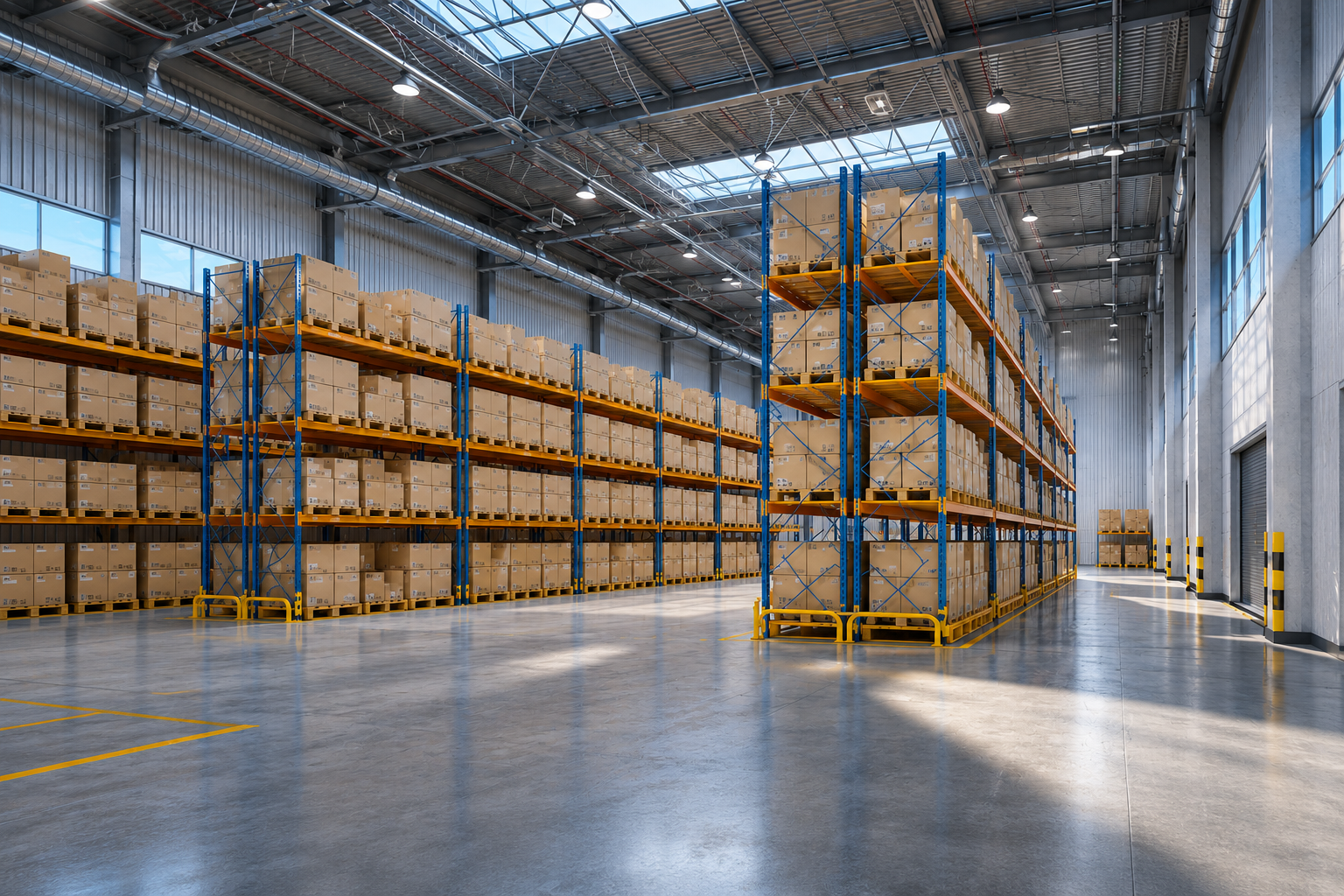

Design labor-resilient warehouses with efficient layouts, automation, and strategies to boost productivity in a tight labor market.
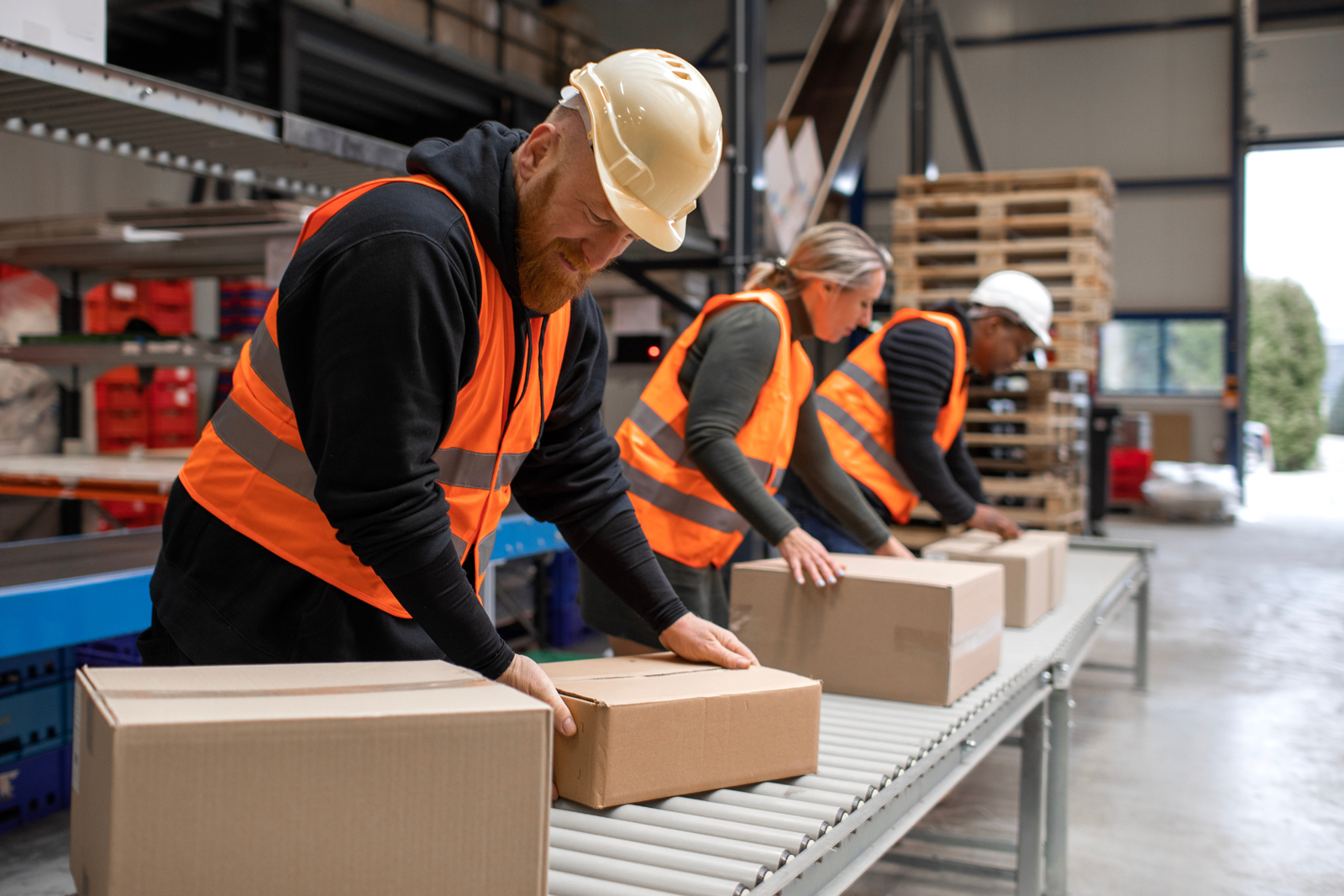
In today’s competitive labor market, warehouses face a growing challenge: finding and retaining skilled workers. With labor shortages affecting industries across the globe, companies must rethink their warehouse design strategies to maintain productivity and operational efficiency. Designing warehouses for labor resilience is no longer optional, it’s essential.
Understanding the Workforce Challenge in Warehousing
The warehouse and logistics sector is experiencing a tight labor market due to several factors:
- Aging workforce and early retirement
- High turnover rates among warehouse staff
- Increased demand for e-commerce and fast delivery
These factors create pressure to do more with fewer employees, making efficient warehouse design critical for success.
Principles of Labor-Resilient Warehouse Design
Designing for labor resilience means creating a warehouse that reduces physical strain, improves productivity, and accommodates fluctuating staffing levels. Here are key strategies:
1. Optimize Layout for Efficiency
A well-thought-out layout minimizes unnecessary movement and maximizes workflow efficiency. Consider:
- Slotting optimization: Place high-velocity items closer to packing areas.
- Straight-line picking paths: Reduce travel time and fatigue.
- Flexible storage solutions: Shelving and racking that can adapt to changing product volumes.
2. Leverage Automation Wisely
Automation is not about replacing workers, it’s about augmenting labor capacity. Integrating the right level of automation can relieve labor shortages:
- Conveyor systems to reduce manual transport
- Pick-to-light and voice-picking technologies to speed order fulfillment
- Autonomous mobile robots (AMRs) for repetitive tasks
3. Prioritize Ergonomics and Safety
Employee well-being directly impacts retention and productivity. Ergonomic design elements include:
- Adjustable workstations to accommodate different body types
- Anti-fatigue flooring in picking and packing zones
- Proper lighting to reduce eye strain and errors
4. Flexible Space and Cross-Training
Labor-resilient warehouses are designed to adapt to varying staffing levels. Strategies include:
- Multi-purpose zones that can be reconfigured as needed
- Cross-training employees to perform multiple roles
- Seasonal labor planning with temporary workstations
5. Technology-Driven Workforce Insights
Warehouse Management Systems (WMS) and workforce analytics help managers make data-driven decisions:
- Forecast labor needs based on seasonal trends
- Track productivity metrics to identify bottlenecks
- Adjust staffing levels and shifts in real-time
6. Implement Predictive Labor Planning
Advanced analytics can help warehouses anticipate staffing needs before shortages occur:
- Use historical data to predict peak periods
- Plan shifts and temporary labor proactively
- Avoid overstaffing or understaffing during critical times
7. Foster a Culture of Employee Engagement
A resilient warehouse relies on motivated and committed employees. Engagement strategies include:
- Incentive programs tied to productivity and safety
- Clear career development paths within the warehouse
- Regular feedback loops to address concerns and improve retention
Designing warehouses for labor resilience is a strategic investment. By optimizing layouts, integrating selective automation, focusing on ergonomics, and leveraging workforce analytics, companies can maintain high productivity even in a tight labor market. A resilient warehouse doesn’t just survive workforce challenges, it thrives despite them.


About Shaun Kelly


How can we help improve your supply chain operations?
Schedule a consultation or contact Tompkins Solutions for more information.

Featured Posts
Discover valuable resources to enhance your knowledge.

.png)