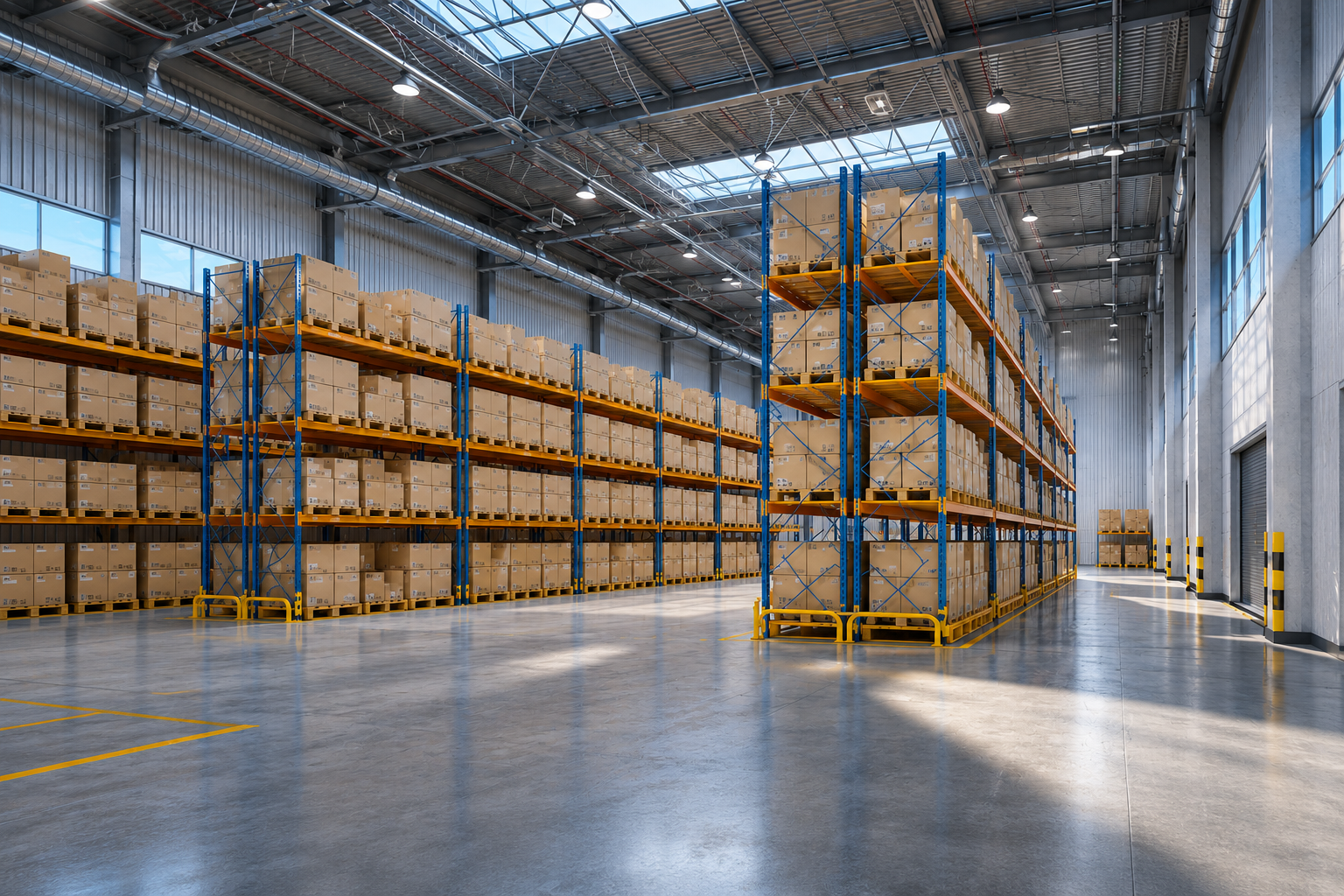

Discover how modular warehouse design enables faster scaling, lower costs, and greater flexibility in today’s fast-paced logistics landscape.
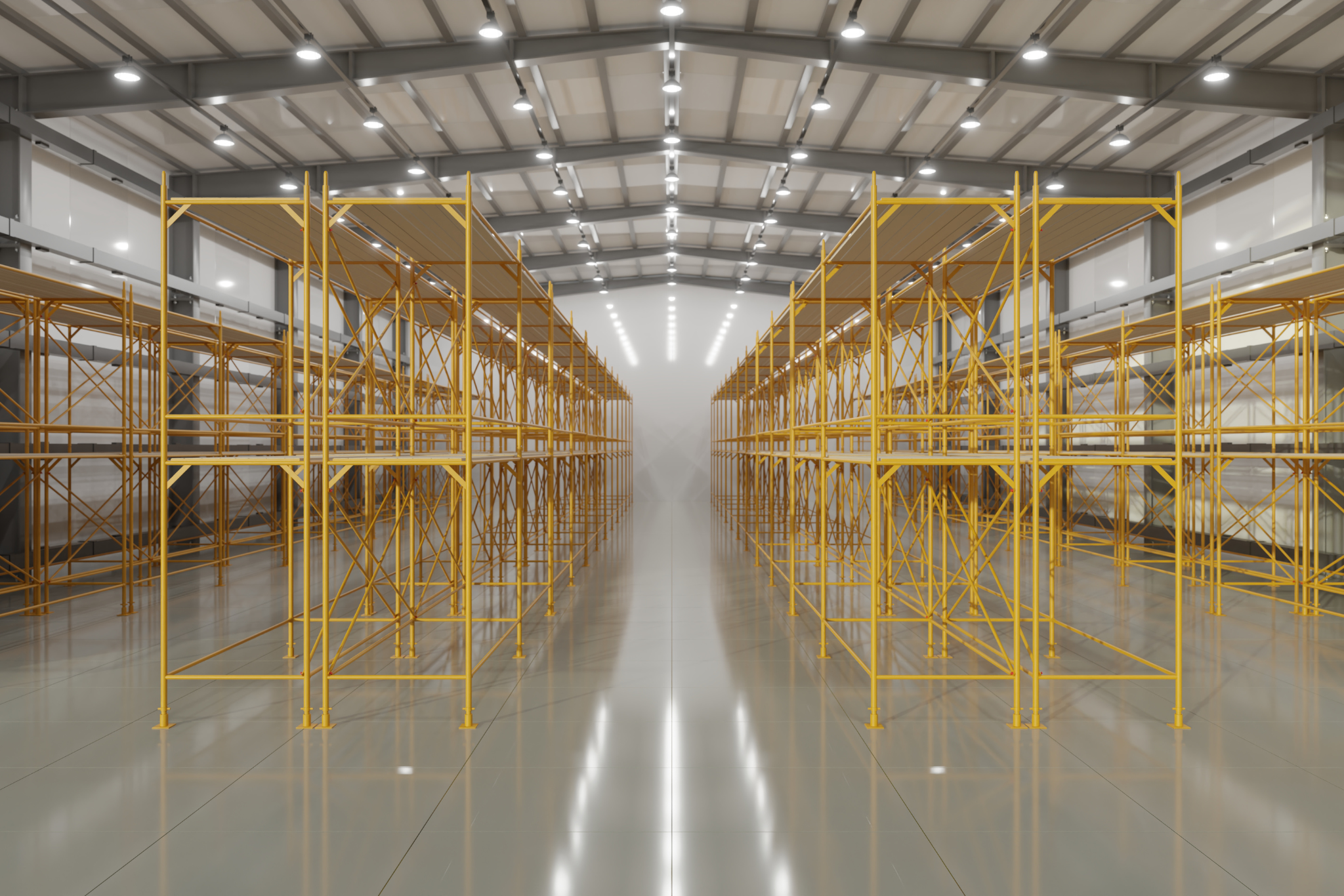
In a logistics world defined by constant change, demand surges, new sales channels, and unpredictable disruptions, warehouses can no longer afford to stay static. The days of massive, fixed facilities built for a single purpose are giving way to a new era: modular warehousing.
Modular warehouses are designed to adapt. They can scale up or down, reconfigure workflows, and integrate new automation technologies without requiring a complete rebuild. For growing companies and global brands alike, this flexibility translates into faster responsiveness, higher ROI, and future-ready infrastructure.
At Tompkins Solutions, we help businesses harness modular design to build supply chains that move as fast as their markets.
What Is Modular Warehousing?
A modular warehouse uses adaptable layouts and scalable systems that can be reconfigured quickly as business needs evolve. This approach replaces the traditional “fixed floor plan” mindset with a flexible framework built around interchangeable components, racking systems, workstations, mezzanines, conveyors, and automation zones that can shift on demand.
Instead of designing a warehouse for today’s volume alone, modular design anticipates tomorrow’s growth. It enables companies to expand capacity, add product lines, or integrate automation technologies without major disruptions.
The Key Advantages of Modular Warehouse Design
1. Scalability Without Downtime
Whether you’re facing a seasonal spike or long-term growth, modular facilities let you expand quickly. You can add new picking zones, automation lanes, or storage modules without halting daily operations.
2. Faster Implementation
Prefabricated or reconfigurable components can be installed faster than traditional construction, enabling companies to go live with new capacity or distribution models in weeks, not months.
3. Seamless Technology Integration
Modular design pairs perfectly with scalable automation like Autonomous Mobile Robots (AMRs), AS/RS systems, and conveyors with plug-and-play controls. These systems can be deployed incrementally, giving companies flexibility as budgets and needs evolve.
4. Improved Space Utilization
Every square foot matters. Modular layouts optimize space for both vertical and horizontal expansion, ensuring that storage density and throughput remain balanced even as volumes shift.
5. Lower Long-Term Costs
Because modular systems evolve with your operation, they reduce the need for expensive retrofits and redesigns. The result: a lower total cost of ownership and longer facility lifespan.
Modular Design in Action
Imagine a retail fulfillment center preparing for the holiday rush. Instead of adding temporary labor or outsourcing overflow orders, the operator simply activates additional automation modules and converts part of the returns area into a high-speed picking zone.
After peak season, the layout returns to normal, without construction, reconfiguration downtime, or major cost.
That’s the power of modular design: flexibility at scale.
Building Modular Warehouses with Tompkins Solutions
At Tompkins Solutions, we’ve seen firsthand how modular warehouse design transforms operations. Our engineering and consulting teams specialize in:
- Flexible layout design for multi-use or multi-client facilities
- Scalable automation integration that grows with business needs
- Workflow optimization for omnichannel and high-velocity fulfillment
- Future-proof infrastructure planning to reduce long-term costs
We don’t just design facilities, we build adaptable ecosystems that evolve alongside your business. Whether you’re retrofitting an existing site or planning a new distribution hub, modularity ensures your investment stays relevant as markets and technology advance.
Flexibility Is the New Efficiency
In an industry where agility determines success, modular warehousing isn’t just a design choice, it’s a strategic advantage. It empowers businesses to pivot, grow, and innovate faster than ever before.
A warehouse built to adapt is a warehouse built to last.
Partner with Tompkins Solutions to design modular, scalable warehouse systems that deliver flexibility, speed, and value for the future of logistics.


About Shaun Kelly


How can we help improve your supply chain operations?
Schedule a consultation or contact Tompkins Solutions for more information.
Featured Posts
Discover valuable resources to enhance your knowledge.

.png)