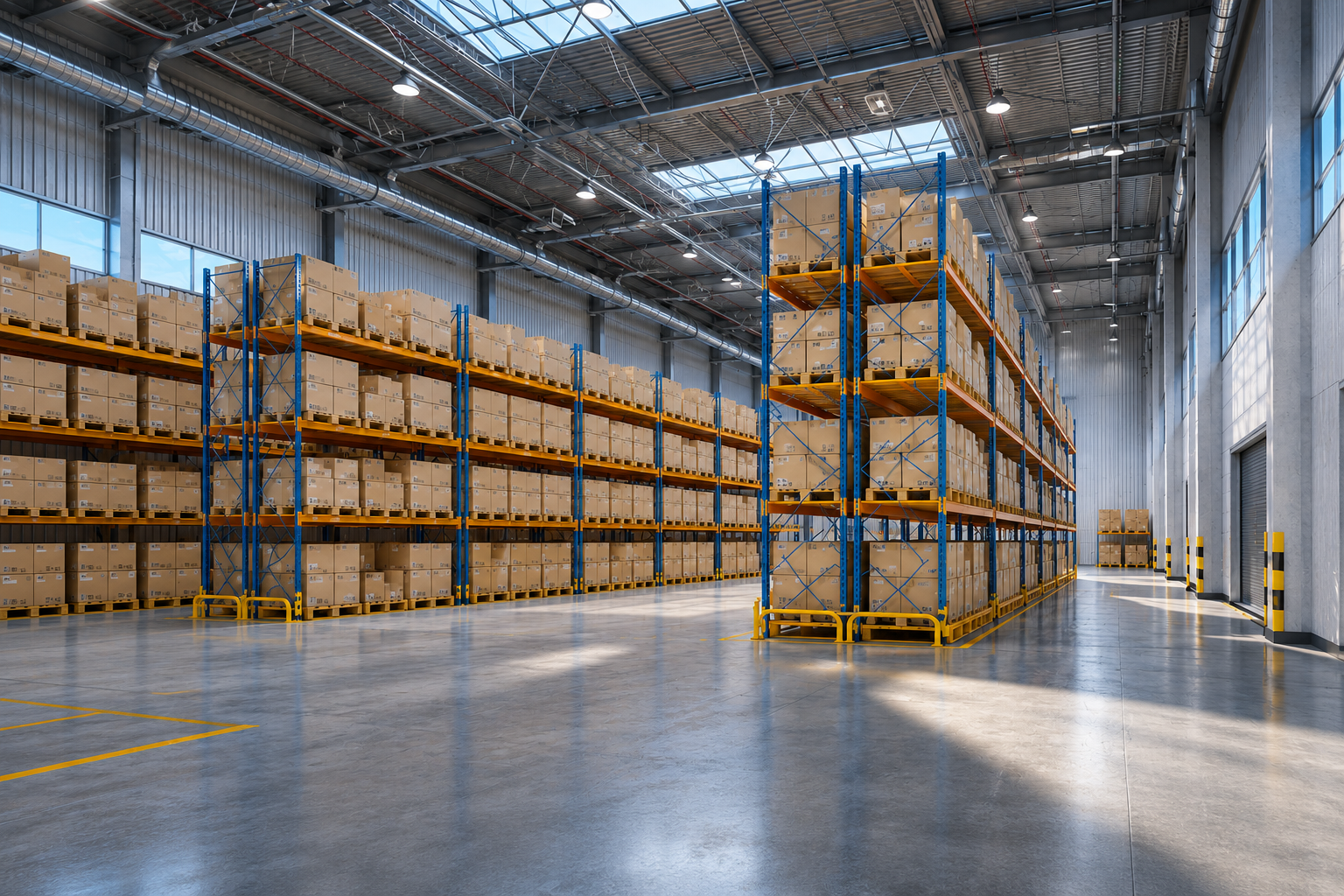


When fulfillment performance slips, most organizations look downstream.
They analyze picking rates. They evaluate automation. They study outbound shipping speed. But one of the most common root causes of warehouse inefficiency happens long before an order is picked.
It starts at the dock.
Inbound receiving is often the most overlooked fulfillment bottleneck. Yet it sets the pace for everything that follows, inventory accuracy, slotting efficiency, replenishment speed, labor utilization, and ultimately, customer service.
If inbound processes are slow, inconsistent, or poorly designed, the entire warehouse pays the price.
Why Inbound Matters More Than Most Realize
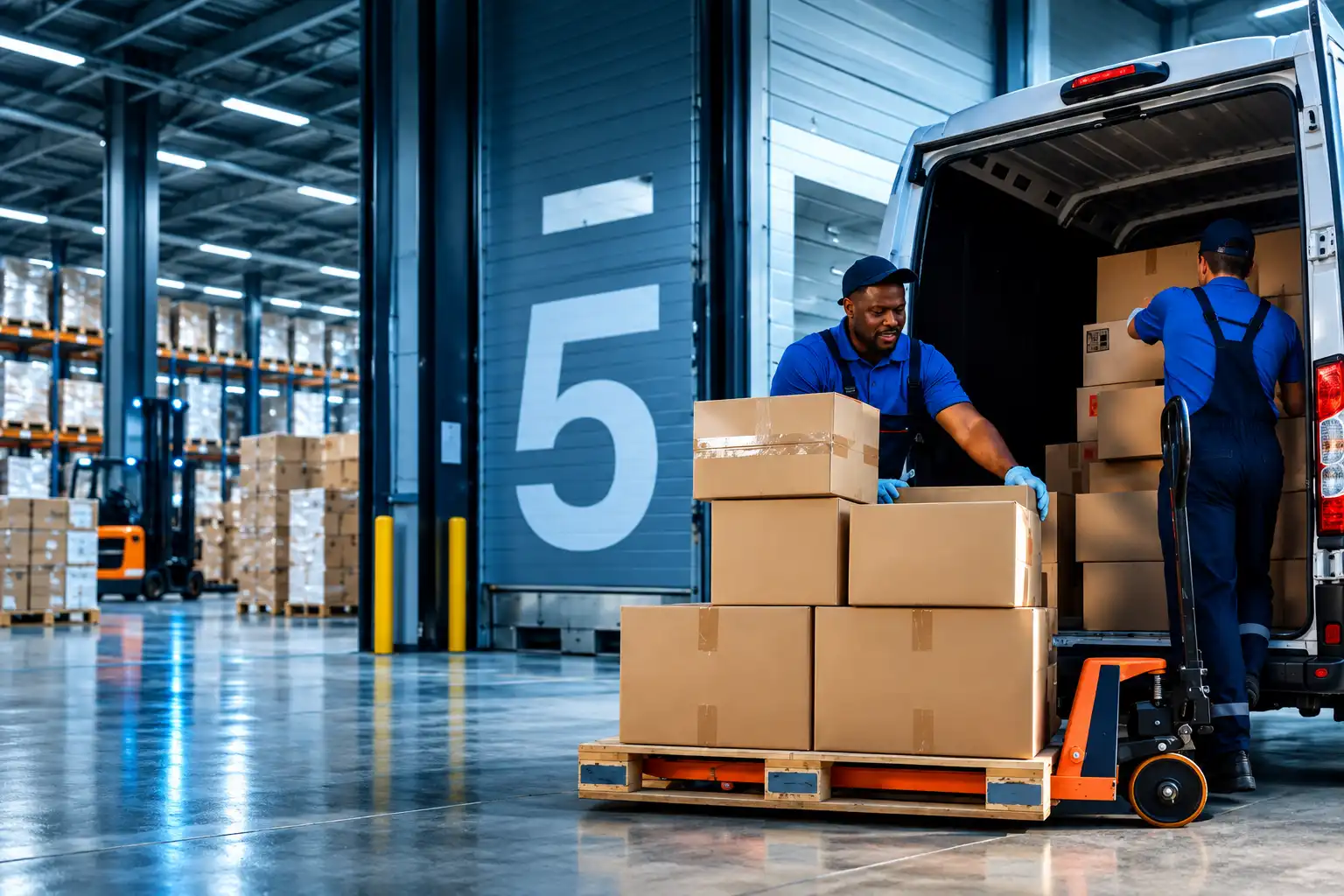
Receiving is not simply unloading trucks. It is the first operational checkpoint in the fulfillment lifecycle.
When inbound is optimized, it enables:
- Accurate inventory availability
- Faster dock-to-stock time
- Efficient putaway
- Proper slotting alignment
- Reduced congestion across the facility
When inbound is inefficient, it creates cascading issues:
- Inventory not available for picking
- Excessive staging congestion
- Misplaced product
- Manual workarounds
- Increased labor costs
- Delayed outbound shipments
The reality is if a product is not received, verified, and positioned correctly, no downstream optimization can fully compensate.
The Hidden Costs of Poor Receiving Design
Inbound bottlenecks rarely appear dramatic at first. They build gradually as volume increases or SKU counts grow.
Common warning signs include:
Dock Congestion: Trucks waiting to unload, staging areas overflowing, and cross-traffic between inbound and outbound lanes are signs that dock flow is not aligned with operational demand. Congestion reduces throughput and increases dwell time, affecting both carriers and internal teams.
Long Dock-to-Stock Time: The longer it takes to move product from receiving to storage, the longer inventory remains unavailable for fulfillment. In high-velocity environments, even small delays can impact service levels.
Inefficient Putaway Travel: Poorly planned layout forces operators to travel excessive distances during putaway. This increases labor hours and creates cross-traffic in pick aisles.
Inventory Inaccuracy: If receiving processes are rushed, inconsistent, or poorly integrated with warehouse systems, discrepancies occur. Those discrepancies surface later as mispicks, backorders, or emergency cycle counts.
Inbound may be the first step but its impact is long-lasting.
Receiving as the Foundation of Warehouse Flow
High-performing warehouses treat inbound not as a standalone function, but as the foundation of facility-wide material flow.
Optimized inbound operations are characterized by:
- Clear separation of inbound and outbound traffic
- Direct, logical movement from dock to storage
- Defined staging zones aligned with putaway routes
- Minimal double-handling of product
- Integrated scanning and verification processes
When receiving aligns with overall warehouse design, flow becomes continuous instead of fragmented.
Aligning Inbound with Slotting and Velocity
Receiving should not operate independently from slotting strategy.
Too often, products are placed in the nearest available location rather than the optimal location based on demand velocity. This creates downstream inefficiencies in picking and replenishment.
Optimized inbound processes ensure that:
- High-velocity SKUs are directed toward forward pick zones
- Seasonal items are positioned strategically
- Replenishment paths are minimized
- Storage assignments align with long-term demand patterns
When inbound and slotting work together, warehouses eliminate unnecessary repositioning and reduce labor strain.
The Role of Layout in Inbound Efficiency
Layout design is one of the most influential factors in inbound optimization.
Key layout considerations include:
- Dock door placement and quantity
- Dedicated receiving lanes
- Staging capacity sized for peak volume
- Proximity of reserve storage to docks
- Clear pathways to reduce cross-traffic
A well-designed receiving area supports high throughput even during peak periods. A poorly designed one becomes a chokepoint as soon as volume fluctuates.
Inbound design should anticipate growth, not simply support current volume.
System Integration: Turning Receiving into Real-Time Visibility
Technology plays a critical role in inbound optimization.
Integrated warehouse systems ensure that:
- Inventory is updated in real time
- Discrepancies are flagged immediately
- Putaway tasks are generated automatically
- Dock activity is visible to planners
- Labor can be allocated dynamically
Without integration, receiving often relies on manual processes that delay inventory availability and increase error rates.
Real-time visibility transforms receiving from a transactional process into a strategic advantage.
Labor Efficiency Starts at the Dock
Inbound inefficiencies are often masked by adding labor. But simply increasing headcount does not solve structural issues.
Optimized inbound design reduces:
- Excess walking
- Rehandling of pallets
- Manual paperwork
- Unnecessary staging
When receiving workflows are streamlined, teams can process more volume without proportional labor increases.
This becomes especially critical in tight labor markets where productivity gains matter most.
Preparing Inbound for Volume Variability
Seasonal peaks, promotional surges, and supply chain disruptions all affect inbound volume.
Warehouses designed without scalable receiving capacity often struggle during peak periods.
Forward-thinking inbound design includes:
- Flexible staging zones
- Dock configurations that accommodate varying trailer types
- Expansion capacity built into layout
- Workflows that support cross-docking when needed
Why Inbound Optimization Is a Strategic Lever
Many organizations invest heavily in outbound speed while neglecting the upstream processes that make that speed possible.
Inbound optimization improves:
- Inventory accuracy
- Throughput consistency
- Labor productivity
- Dock utilization
- Overall service reliability
It is not simply an operational improvement. It is a strategic lever that impacts cost and customer satisfaction.
The Tompkins Approach to Inbound Optimization
At Tompkins Solutions, inbound is never treated as an isolated function.
We analyze inbound processes as part of a holistic material flow strategy, aligning dock design, staging, storage allocation, slotting, system integration, and growth modeling.
By engineering receiving as the starting point of fulfillment performance, we help organizations eliminate hidden bottlenecks and build facilities that flow seamlessly from dock to outbound.
Whether modernizing an existing warehouse or designing a new distribution center, inbound optimization is built into every phase of the process.
Receiving may not be the most visible part of fulfillment, but it is one of the most critical.
When inbound is slow, disconnected, or poorly designed, the entire warehouse suffers. When inbound is optimized, everything downstream improves, from pick rates to service levels.
Before investing in more automation or expanding outbound capacity, it may be worth examining the dock.
Because the most overlooked fulfillment bottleneck is often the one at the very beginning.
To learn how Tompkins Solutions can help optimize your inbound operations and improve end-to-end warehouse performance, visit: https://www.tompkinsinc.com/


About Shaun Kelly


How can we help improve your supply chain operations?
Schedule a consultation or contact Tompkins Solutions for more information.
Featured Posts
Discover valuable resources to enhance your knowledge.

.png)