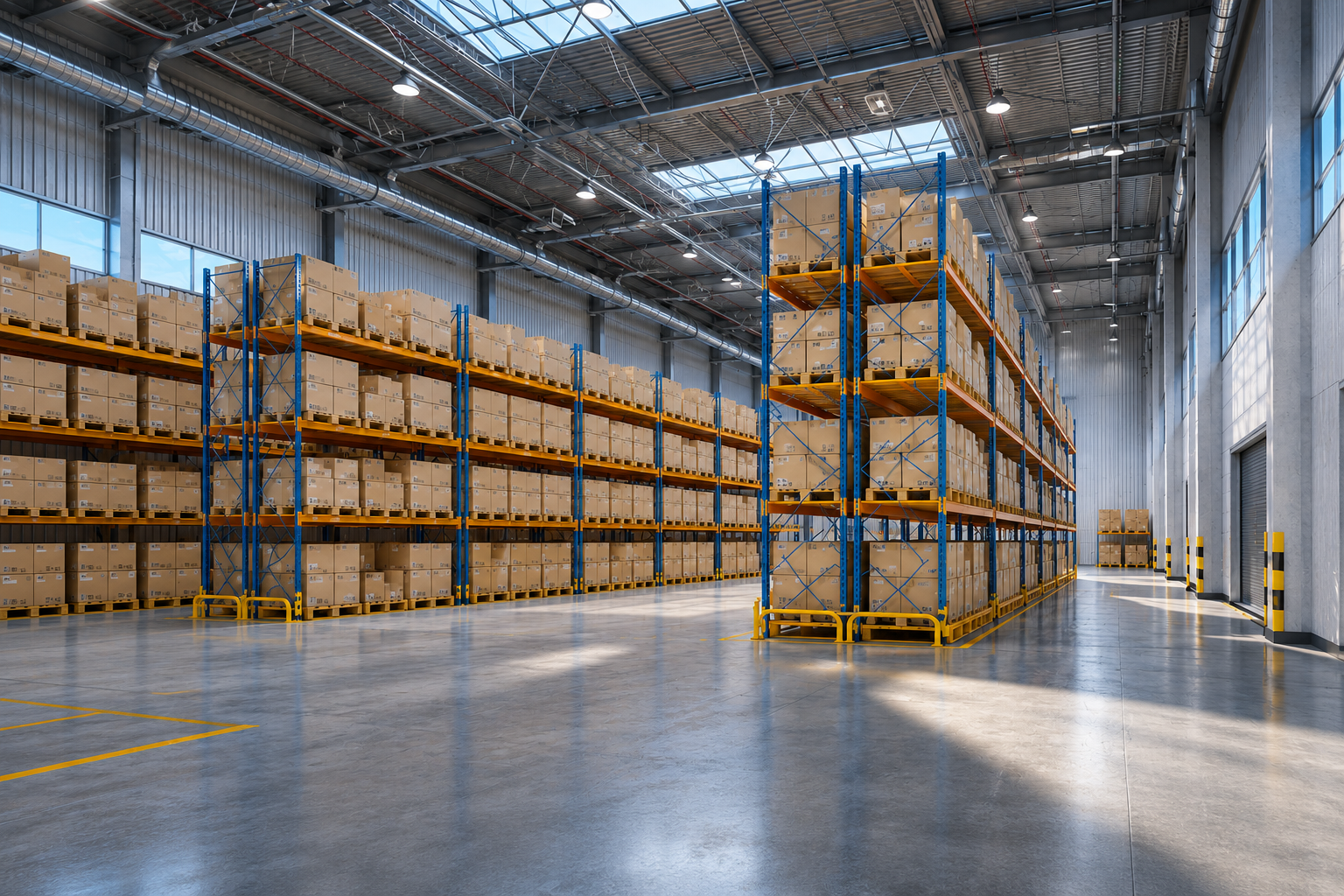

Explore how adaptive fulfillment networks improve supply chain agility, reduce lead times, and support faster, more flexible delivery strategies.
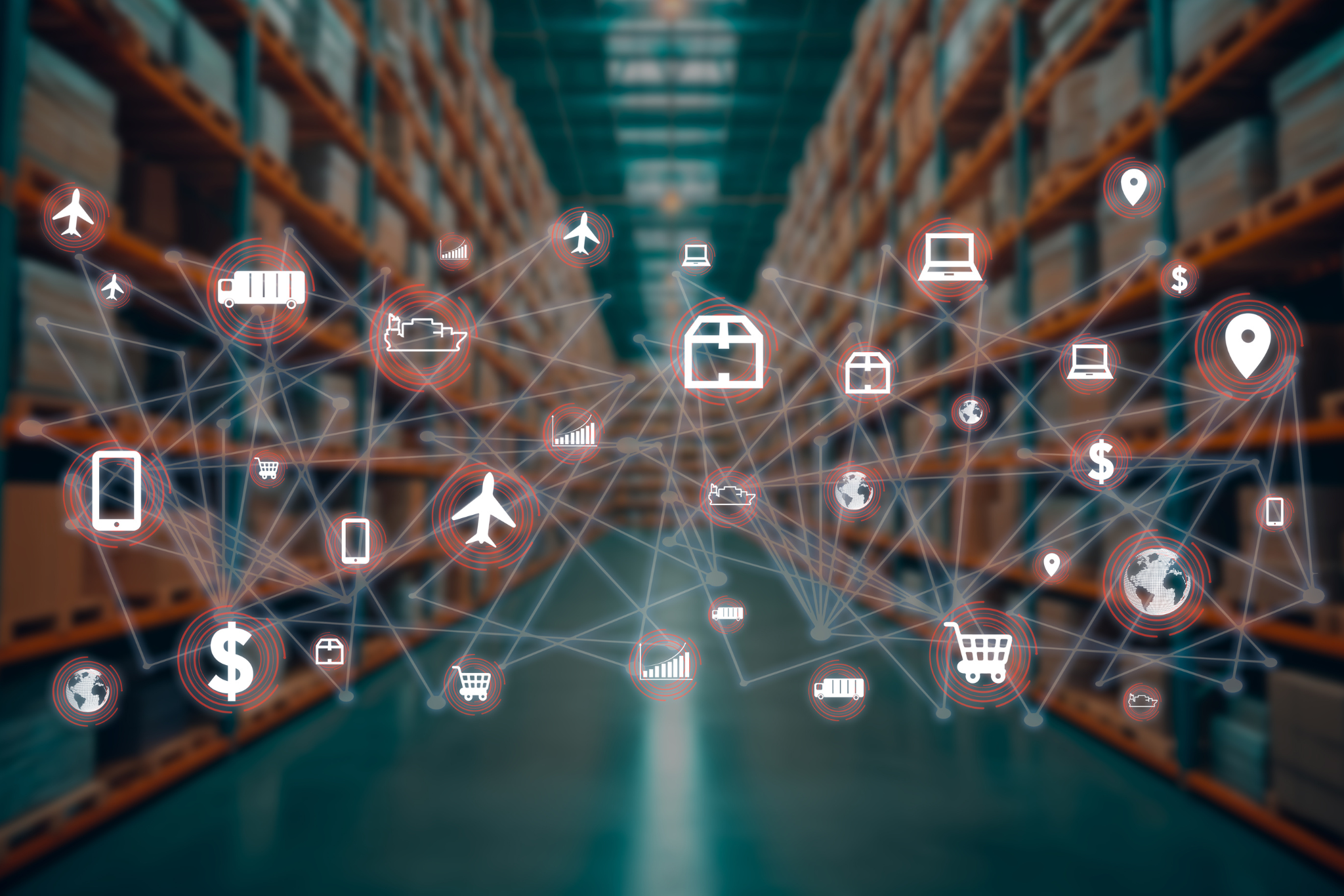
Today’s supply chains aren’t defined by geography, they’re defined by adaptability. As consumer expectations for faster delivery and seamless service continue to rise, static fulfillment networks are struggling to keep up.
Traditional models, built around centralized distribution centers and long replenishment cycles, lack the flexibility needed to navigate modern challenges like demand surges, transportation delays, and inventory imbalances. Enter the era of adaptive fulfillment networks, a new strategy designed for speed, resilience, and efficiency.
At Tompkins Solutions, we view adaptive fulfillment not as a trend but as the next logical step in supply chain evolution, one that transforms fulfillment from a fixed operation into a dynamic, responsive ecosystem.
What Is an Adaptive Fulfillment Network?
An adaptive fulfillment network connects multiple warehouse, distribution, and micro-fulfillment nodes into a unified, data-driven system that flexes in real time to meet customer demand.
Instead of relying on a single large facility, businesses distribute inventory across strategically located sites. Advanced technologies like real-time analytics, dynamic slotting, and automation ensure products flow efficiently between locations based on order volume, regional demand, and transportation capacity.
This approach minimizes delivery distances, balances workload, and ensures service continuity, even when disruption strikes.
Why Adaptive Fulfillment Matters
As global logistics become more complex, adaptability has emerged as a critical differentiator. Companies that can flex their fulfillment strategy on demand see major gains in efficiency and profitability. Key benefits include:
- Reduced Lead Times: Positioning inventory closer to customers shortens last-mile delivery windows.
- Operational Flexibility: Multi-node fulfillment allows for agile rerouting and demand balancing.
- Cost Efficiency: Optimized network design reduces transportation expenses and prevents costly overstocking.
- Risk Mitigation: Distributed operations minimize the impact of localized disruptions such as port delays or labor shortages.
- Improved Sustainability: Fulfilling closer to the end customer reduces emissions and fuel consumption.
Key Enablers of Adaptive Fulfillment
Building an adaptive fulfillment network requires a strong foundation of technology, process, and design. The following enablers are essential:
1. Data-Driven Network Design
Using advanced modeling and simulation tools, businesses can analyze order patterns, transportation costs, and service-level requirements to determine the ideal warehouse placement and capacity mix.
2. Real-Time Visibility
Integrated data platforms and Warehouse Management Systems (WMS) provide end-to-end visibility across all nodes, allowing decision-makers to shift inventory or capacity instantly.
3. Modular Automation
Deploying flexible automation, such as AMRs, goods-to-person systems, and scalable sortation, allows warehouses to ramp up or down efficiently during seasonal or regional fluctuations.
4. Dynamic Inventory Management
AI-powered forecasting and demand sensing ensure products are stocked where they’re needed most, minimizing backorders and overstock situations.
5. Collaborative Logistics Partnerships
Partnering with third-party logistics providers and technology experts ensures the network remains agile and aligned with evolving market conditions.
From Fixed to Flexible: The Competitive Advantage
Adaptive fulfillment isn’t just about surviving disruption, it’s about thriving within it. Businesses that embrace adaptability gain the ability to:
- Respond instantly to market fluctuations
- Offer faster and more consistent delivery options
- Optimize operational costs across regions
- Scale intelligently without overextending resources
In today’s world, where consumer loyalty hinges on speed and reliability, these advantages can mean the difference between leading and lagging in your market.
How Tompkins Solutions Helps Build Adaptive Fulfillment Networks
At Tompkins Solutions, we specialize in helping organizations reimagine their fulfillment strategies for agility and performance. From network design and facility engineering to automation integration and real-time visibility tools, our approach connects every component of your supply chain into a cohesive, adaptive ecosystem.
Our experts work closely with clients to create fulfillment networks that are not just efficient, but intelligent, able to evolve as markets, technologies, and customer expectations change.
The Future of Fulfillment Is Adaptive
Static networks belong to the past. As the pace of change accelerates, the future of fulfillment will belong to companies that can see further, move faster, and adapt smarter.
If your current warehouse network can’t flex with the demands of modern commerce, now is the time to rethink your strategy.
Partner with Tompkins Solutions to build an adaptive fulfillment network that delivers agility, resilience, and speed, no matter what tomorrow brings.


About Shaun Kelly


How can we help improve your supply chain operations?
Schedule a consultation or contact Tompkins Solutions for more information.
Featured Posts
Discover valuable resources to enhance your knowledge.

.png)