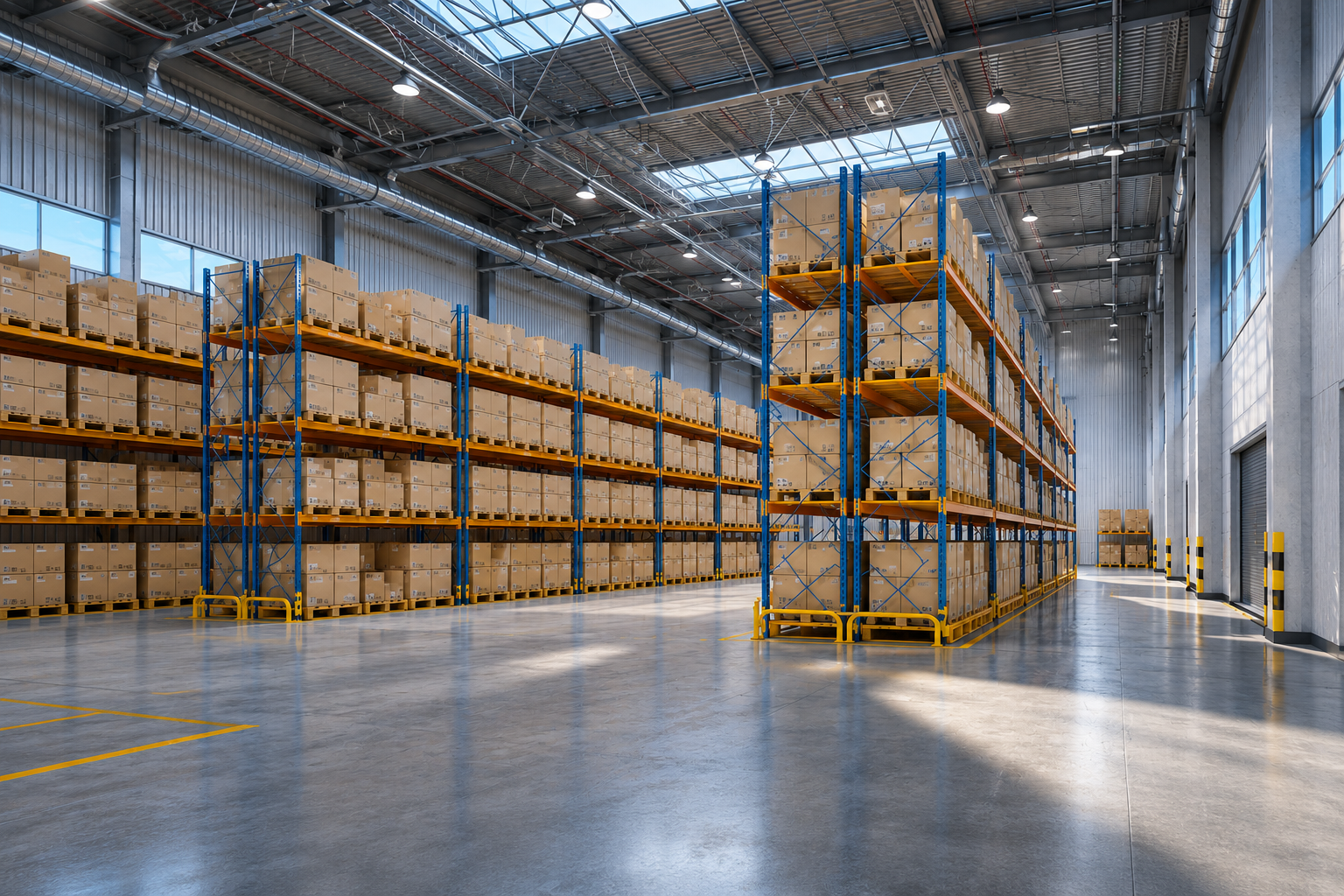

Few industries operate under the combination of regulatory pressure and operational performance expectations that pharmaceutical fulfillment faces. The accuracy requirements are non-negotiable — wrong products, wrong quantities, broken cold chain compliance, or inadequate traceability documentation create regulatory exposure that can result in recalls, enforcement actions, and serious patient safety consequences. The speed requirements are intensifying — same-day and next-day fulfillment expectations are migrating from consumer e-commerce into healthcare distribution, and pharma operations are being asked to fulfill faster without any reduction in accuracy or compliance standards.
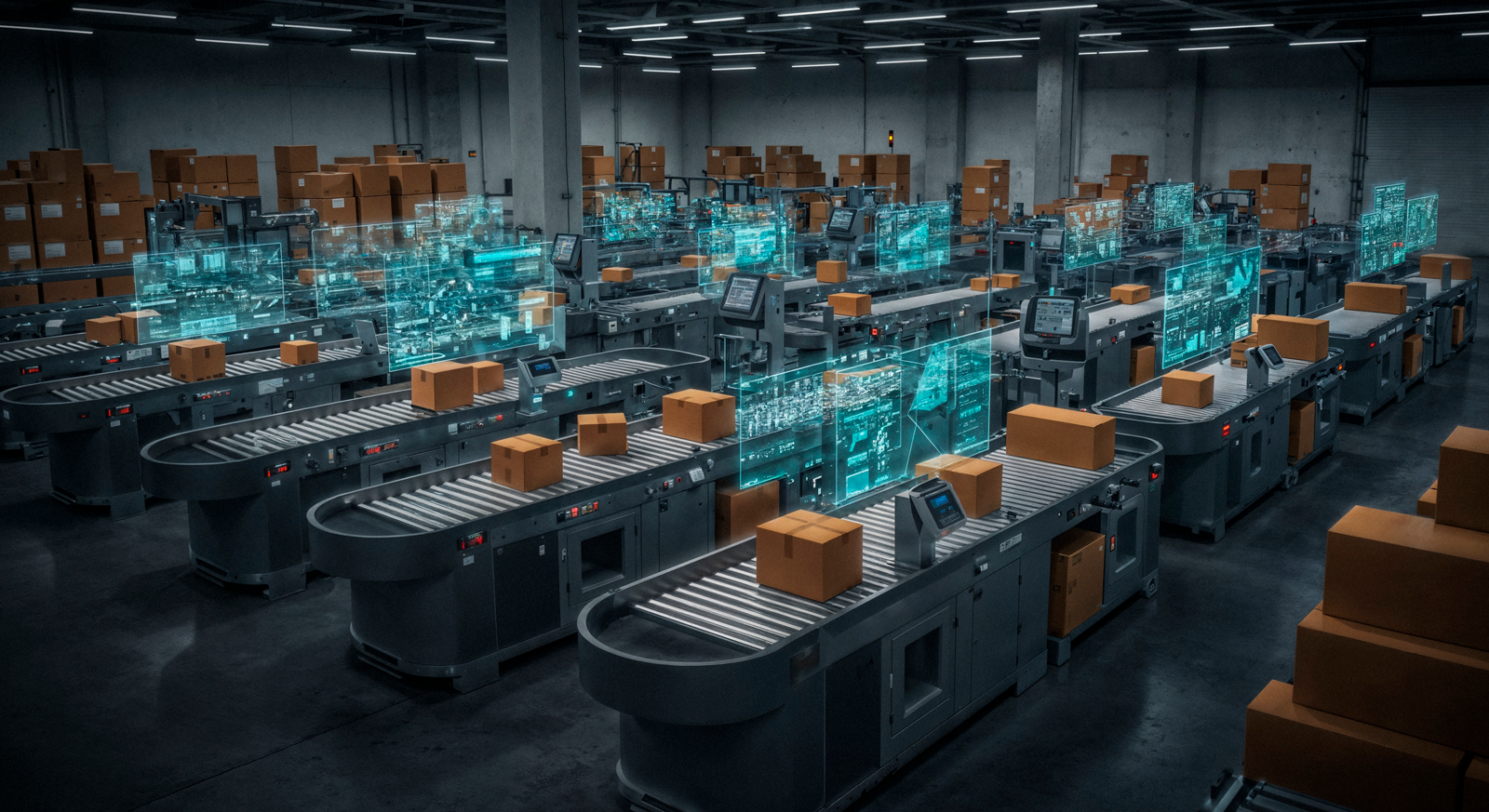
Key Takeaways:
- Pharmaceutical warehouse operations face a dual mandate: strict regulatory compliance requirements and increasing pressure to fulfill orders faster and more accurately.
- Manual-heavy pharma fulfillment creates compliance risk, and human error in picking, documentation, and traceability processes is one of the most common sources of regulatory exposure.
- Purpose-built warehouse automation for pharma addresses both speed and compliance simultaneously — not as competing priorities but as mutually reinforcing outcomes.
- Serialization, traceability, and chain-of-custody requirements are increasingly manageable through integrated automation and control software.
- Tompkins Solutions designs, builds, and supports warehouse automation systems specifically for the compliance-intensive demands of pharmaceutical fulfillment environments.
Introduction
Few industries operate under the combination of regulatory pressure and operational performance expectations that pharmaceutical fulfillment faces. The accuracy requirements are non-negotiable — wrong products, wrong quantities, broken cold chain compliance, or inadequate traceability documentation create regulatory exposure that can result in recalls, enforcement actions, and serious patient safety consequences. The speed requirements are intensifying — same-day and next-day fulfillment expectations are migrating from consumer e-commerce into healthcare distribution, and pharma operations are being asked to fulfill faster without any reduction in accuracy or compliance standards.
For years, these demands were treated as fundamentally in tension. Compliance required careful, methodical processes; speed required high-volume throughput. The assumption was that optimizing for one would compromise the other.
Purpose-built pharmaceutical warehouse automation has changed that equation. The operations that have invested in automation designed specifically for pharma fulfillment environments are discovering that compliance and speed are not competing objectives — they are mutually reinforcing outcomes of the same well-designed system.
Why Manual Pharma Fulfillment Creates Compounding Risk
The compliance risks inherent in manual pharmaceutical fulfillment are well understood but consistently underestimated in their operational impact. Human error in picking, verification, documentation, and chain-of-custody processes creates exposure at every step of the fulfillment workflow.
The specific risk profile of manual pharma operations includes:
- Pick errors: Incorrect product selection — wrong drug, wrong strength, wrong form factor — create patient safety risk and require expensive recall and investigation processes when identified post-shipment.
- Documentation gaps: Manual recording of lot numbers, expiration dates, serial numbers, and chain-of-custody information is prone to omissions and transcription errors that create traceability failures during audits or recalls.
- Serialization compliance: Drug Supply Chain Security Act (DSCSA) requirements mandate serialized tracking of pharmaceutical products through the supply chain. Manual processes for capturing and transmitting serialization data are inefficient and error-prone.
- Temperature excursions: Cold chain products handled through manual processes with limited automated monitoring are at higher risk of undetected temperature excursions that compromise product integrity and create compliance exposure.
- Audit readiness: Manual fulfillment environments typically cannot produce the rapid, complete documentation required during regulatory audits — creating operational disruption and investigative burden when audits occur.
Each of these risk points is addressable through automation. The question for pharma operations is not whether to automate, but how to design automation for the specific compliance requirements of their environment.
How Automation Addresses Pharma Compliance Requirements
Purpose-built warehouse automation for pharmaceutical environments integrates compliance requirements directly into the fulfillment workflow — not as a separate verification layer but as a core function of how the system operates.
Key automation capabilities for pharma compliance include:
- Automated verification at every pick: Barcode scanning, vision systems, and weight verification confirm that the correct product in the correct quantity is being picked before it progresses to the next workflow stage — eliminating pick errors at the point of occurrence rather than catching them at downstream verification.
- Serialization and traceability integration: Automation systems capture, record, and transmit serial number data at the appropriate points in the fulfillment workflow — supporting DSCSA compliance without manual documentation effort.
- Lot and expiration management: FIFO and FEFO (First Expired, First Out) logic built into pick sequencing ensures that products are fulfilled in compliance with expiration-based requirements without relying on manual judgment.
- Cold chain monitoring integration: Automated handling systems for cold chain products can integrate with temperature monitoring infrastructure, providing continuous visibility into product conditions throughout the fulfillment process.
- Audit-ready documentation: Every transaction in an automated system generates a documented, time-stamped record — creating the complete chain-of-custody trail that regulatory audits require without additional manual documentation effort.
Automation and Fulfillment Speed: The Pharma Opportunity
Beyond compliance, pharmaceutical warehouse automation delivers the fulfillment speed improvements that healthcare distribution is increasingly demanding. The same automation that improves compliance accuracy also accelerates throughput — because the verification steps that slow manual fulfillment are executed at machine speed rather than human speed.
Automated pick systems — including pick-to-light, voice-directed picking, and robotic picking — move products through the fulfillment workflow faster than manual processes while maintaining or improving accuracy. Sortation systems route products to shipping destinations without manual staging. Print-and-apply systems generate and apply compliant labeling at line speed.
The result is a fulfillment operation where compliance and speed are outcomes of the same system rather than competing demands managed through manual effort.
Planning Automation for Pharmaceutical Environments
Designing warehouse automation for pharmaceutical fulfillment requires expertise in both automation technology and pharmaceutical regulatory requirements. Generic warehouse automation solutions applied to pharma environments frequently create compliance gaps — because the specific traceability, verification, and documentation requirements of pharmaceutical distribution are not default features of standard commercial automation systems.
Tompkins Solutions brings specific experience in designing, building, and supporting automation for pharmaceutical warehouse environments. Our integrated approach — from initial facility design and technology selection through installation, system integration, and lifecycle support — ensures that automation systems are built to meet the compliance requirements of pharma fulfillment from the ground up, not retrofitted after the fact.
For pharmaceutical operations evaluating automation investments, the starting point is a clear-eyed assessment of current compliance risk in manual processes and a design approach that addresses those risks through automation architecture rather than adding verification steps on top of existing manual workflows.
Conclusion
Pharmaceutical warehouse automation is no longer a technology investment that trades compliance rigor for operational speed. Purpose-built automation for pharma fulfillment environments delivers both — improving accuracy, traceability, and audit readiness while accelerating throughput and reducing the labor cost and error risk of manual processes.
For pharmaceutical operations still managing fulfillment through largely manual workflows, the compliance risk and operational cost of that approach will only grow as regulatory requirements tighten, and fulfillment speed expectations continue to rise.
Contact Tompkins Solutions to learn how warehouse automation designed specifically for pharmaceutical environments can improve your operation's compliance posture and fulfillment performance simultaneously.


About Shaun Kelly


How can we help improve your supply chain operations?
Schedule a consultation or contact Tompkins Solutions for more information.

Featured Posts
Discover valuable resources to enhance your knowledge.
.png)