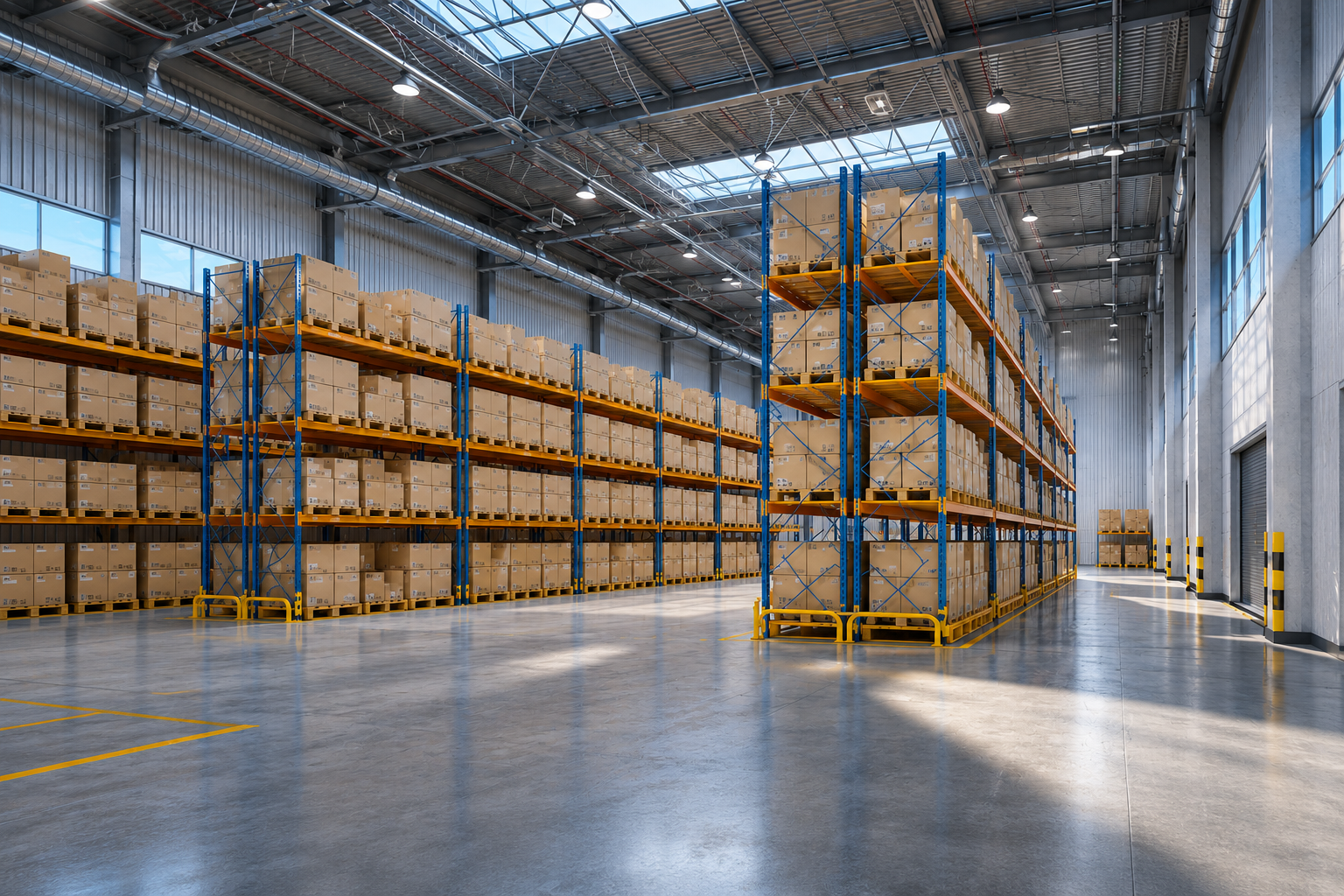

Learn how modular automation enables flexible, scalable warehouse design that adapts to growth, product changes, and evolving customer demand.
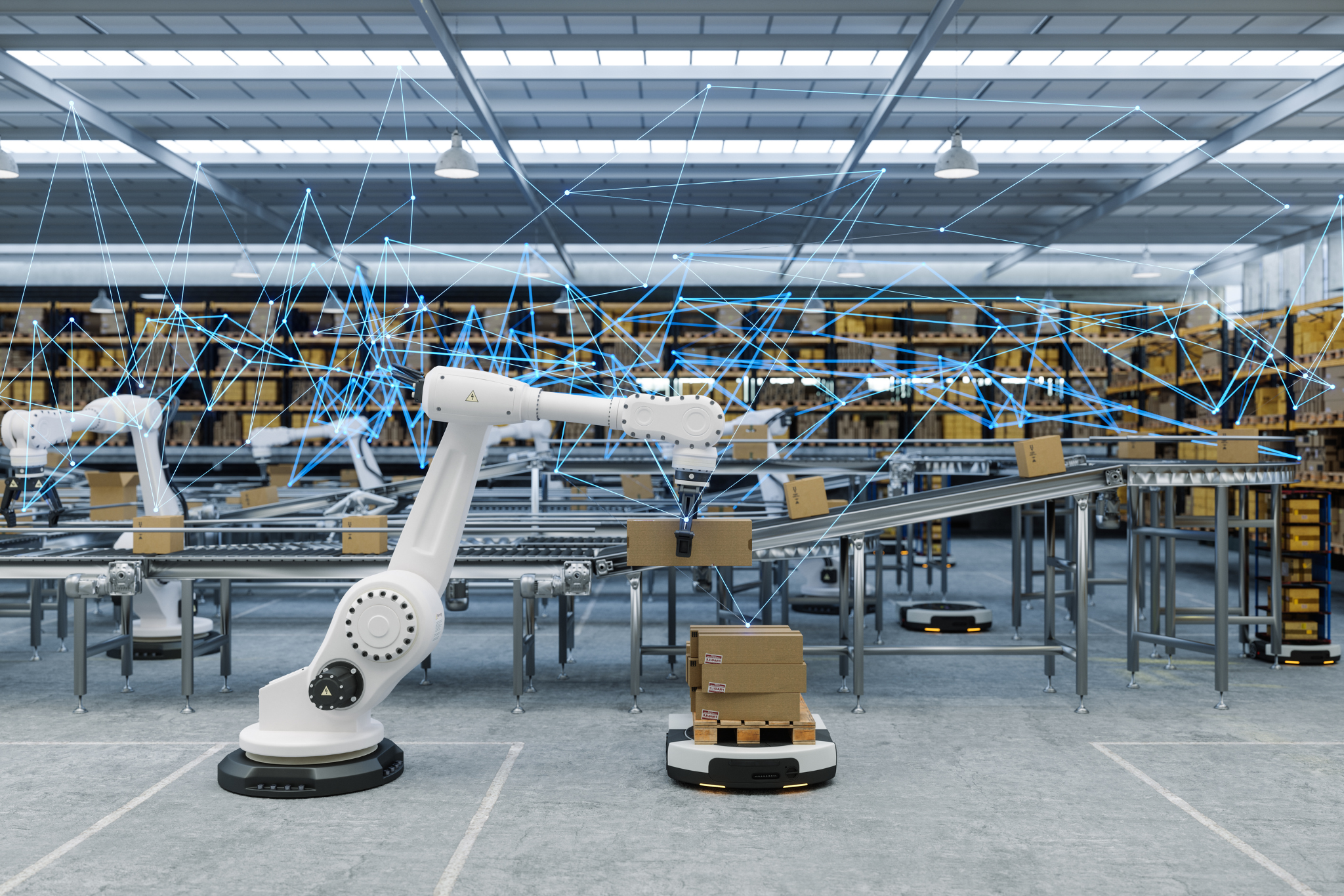
The modern warehouse is no longer a static storage facility, it’s a dynamic, technology-driven ecosystem at the heart of supply chain performance. E-commerce growth, SKU proliferation, and rising consumer expectations have turned fulfillment centers into 24/7 engines of efficiency and innovation.
Yet as markets evolve, one constant challenge remains: how to scale efficiently. Traditional automation, often rigid, expensive, and difficult to reconfigure, can quickly become an obstacle rather than an asset. That’s why more organizations are turning to modular automation, a flexible design philosophy that enables rapid adaptation, incremental growth, and long-term scalability.
Modular automation doesn’t just modernize your warehouse, it future-proofs it.
What Is Modular Automation?
At its core, modular automation means building warehouse systems that are flexible, interoperable, and expandable. Instead of installing a single, monolithic automation system that serves one purpose, modular automation uses interconnected units or modules that can be easily added, removed, or reconfigured as operational needs change.
These modules can include:
- Autonomous Mobile Robots (AMRs) that can be deployed in phases to support goods-to-person picking or zone replenishment.
- Automated Storage and Retrieval Systems (AS/RS) designed with expandable racking and shuttle systems.
- Modular conveyor lines that can be re-routed or extended without major reengineering.
- Robotic picking cells that can be reassigned to different workflows as product mixes evolve.
This modularity transforms a warehouse into a living, breathing operation—one that can scale up or pivot quickly in response to shifts in demand, product types, or fulfillment models.
Why Scalability Matters More Than Ever
According to recent supply chain research, warehouses are now handling over 30% more SKUs than they did five years ago. At the same time, labor shortages, inflationary pressures, and unpredictable demand surges continue to strain capacity.
Static warehouse designs simply can’t keep up. Each time a new product category, packaging style, or order profile is introduced, traditional systems require extensive retrofitting—costing valuable time and capital.
Scalable warehouse design, powered by modular automation, eliminates these limitations. Businesses can scale incrementally, avoiding disruptive rebuilds and preserving ROI over time.
The key benefits of modular automation include:
1. Adaptive Growth
Instead of investing in full-scale automation upfront, companies can phase in modules as demand increases. This “grow-as-you-go” model provides flexibility and aligns capital investment with actual business needs.
2. Operational Continuity
Adding or modifying modules doesn’t mean halting production. Modular systems are designed for fast installation and integration, keeping fulfillment operations running smoothly during expansion.
3. Future Flexibility
As product lines or order channels evolve, from bulk replenishment to direct-to-consumer, modules can be reprogrammed or relocated without costly redesigns.
4. Lower Total Cost of Ownership
Because modular automation systems are reusable and reconfigurable, they deliver long-term savings by reducing downtime, engineering costs, and system redundancy.
Designing the Warehouse for Modularity
True modularity starts at the design phase. A scalable warehouse isn’t just about automation, it’s about how the facility is engineered to support change.
Flexible Layout Planning
An effective layout prioritizes open zones and modular racking configurations that support reallocation of space as needs evolve. Wide aisles, multi-use workstations, and adjustable picking zones all contribute to long-term adaptability.
Smart Infrastructure
Power, connectivity, and network infrastructure should be designed with expansion in mind. Facilities must accommodate additional robots, sensors, and automation systems without major upgrades.
Data Integration and System Interoperability
A modular warehouse must have a unified digital backbone, a robust Warehouse Management System (WMS) capable of integrating with Warehouse Execution Systems (WES), robotics software, and IoT sensors. This ensures that as new modules come online, they can immediately sync with real-time data and performance analytics.
Sustainability and Efficiency
Modular automation also supports sustainability goals. By allowing incremental upgrades rather than full system replacements, it reduces equipment waste and extends the lifespan of warehouse assets. Energy-efficient modules, LED-integrated conveyors, and adaptive lighting systems further lower long-term operating costs.
Meeting Peak Season Challenges
Peak season demand is one of the biggest tests for warehouse scalability. When order volumes spike, rigid systems can’t adjust fast enough, leading to congestion, slower cycle times, and higher labor costs.
Modular automation gives operators a crucial edge:
- AMRs can be added to high-traffic zones for faster replenishment.
- Additional robotic picking modules can be activated during peak demand and scaled back afterward.
- Conveyor paths can be reconfigured to handle temporary high-volume flows.
This kind of flexibility turns peak season from a bottleneck into a competitive advantage, helping companies deliver faster, operate leaner, and maintain service quality when it matters most.
The Tompkins Solutions Approach
At Tompkins Solutions, modular automation isn’t a buzzword, it’s a guiding principle. We help clients design and implement scalable warehouse systems that evolve with their business, combining decades of engineering expertise with deep operational insight.
Our approach includes:
- End-to-end design - from layout optimization to automation strategy.
- Technology integration - ensuring WMS, robotics, and material handling systems communicate seamlessly.
- Phased implementation - enabling clients to deploy modular automation in manageable, cost-effective stages.
- Data-driven optimization - using analytics to continuously refine system performance and identify new scaling opportunities.
By partnering with Tompkins Solutions, businesses gain more than automation, they gain a strategic foundation for sustainable growth.
The Future Is Modular
In an industry defined by speed and volatility, static systems are no longer viable. The future belongs to flexible, scalable, and intelligent warehouse environments that can evolve at the pace of change.
Modular automation gives you that power. It allows your facility to scale seamlessly, adapt to new challenges, and embrace innovation without disruption.
At Tompkins Solutions, we build warehouses that don’t just perform today, they’re engineered to thrive tomorrow.
Ready to Design a Scalable, Future-Ready Warehouse?
Let’s build an automation strategy that grows with you. Contact Tompkins Solutions to explore how modular design can transform your operations for long-term success.


About Shaun Kelly


How can we help improve your supply chain operations?
Schedule a consultation or contact Tompkins Solutions for more information.

Featured Posts
Discover valuable resources to enhance your knowledge.

.png)