

Key Takeaways
- Modern material handling systems improve warehouse throughput, accuracy, and labor productivity.
- Integrated material handling automation reduces manual movement and supports consistent product flow throughout the facility.
- Scalable solutions such as conveyors, sortation systems, AMRs, and AS/RS help warehouses adapt to changing fulfillment demands.
- Successful projects combine warehouse engineering, automation integration, and software connectivity to maximize operational performance.
- Tompkins Solutions delivers end-to-end warehouse automation consulting, engineering, integration, and lifecycle support to help organizations build more efficient and future-ready operations.
Introduction
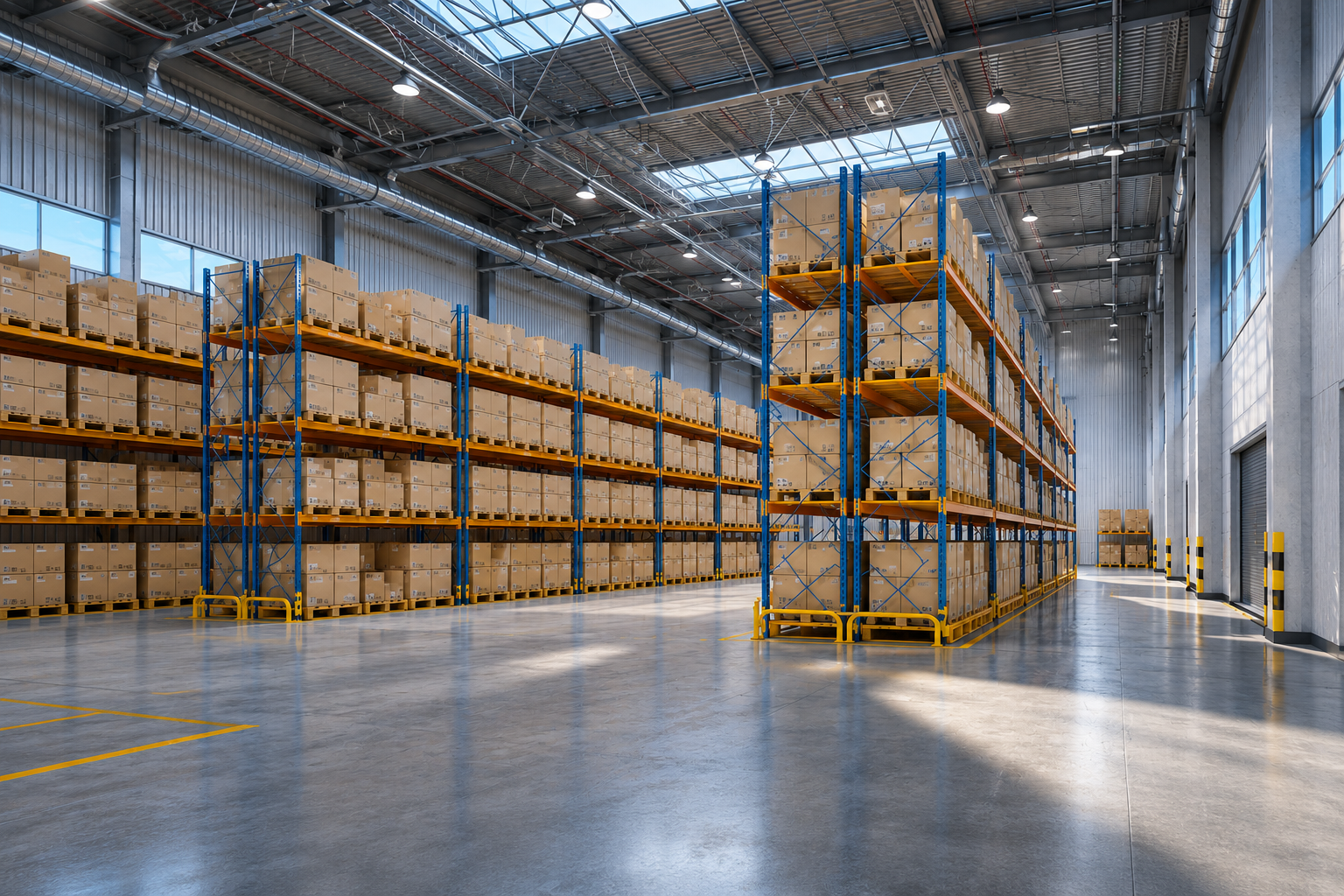
Every warehouse relies on one essential function: moving products efficiently from receiving to storage, picking, packing, and shipping. When that movement is slow, inconsistent, or overly dependent on manual labor, the entire operation is affected.
As fulfillment demands continue to grow, warehouses are handling greater order volumes, more diverse product assortments, and increasingly complex customer expectations. Simply adding more labor or storage space is rarely enough to keep pace.
That's why modern material handling automation has become a critical component of warehouse performance.
Rather than focusing on individual pieces of equipment, leading organizations are creating integrated material handling systems that streamline inventory movement, reduce bottlenecks, and improve productivity across the entire operation.
The result is a warehouse that moves products faster, operates more efficiently, and is better prepared to support future business growth.
Why Material Handling Matters
Material movement influences nearly every warehouse process. Inefficient workflows can create delays, increase labor costs, and limit overall throughput.
Common challenges include:
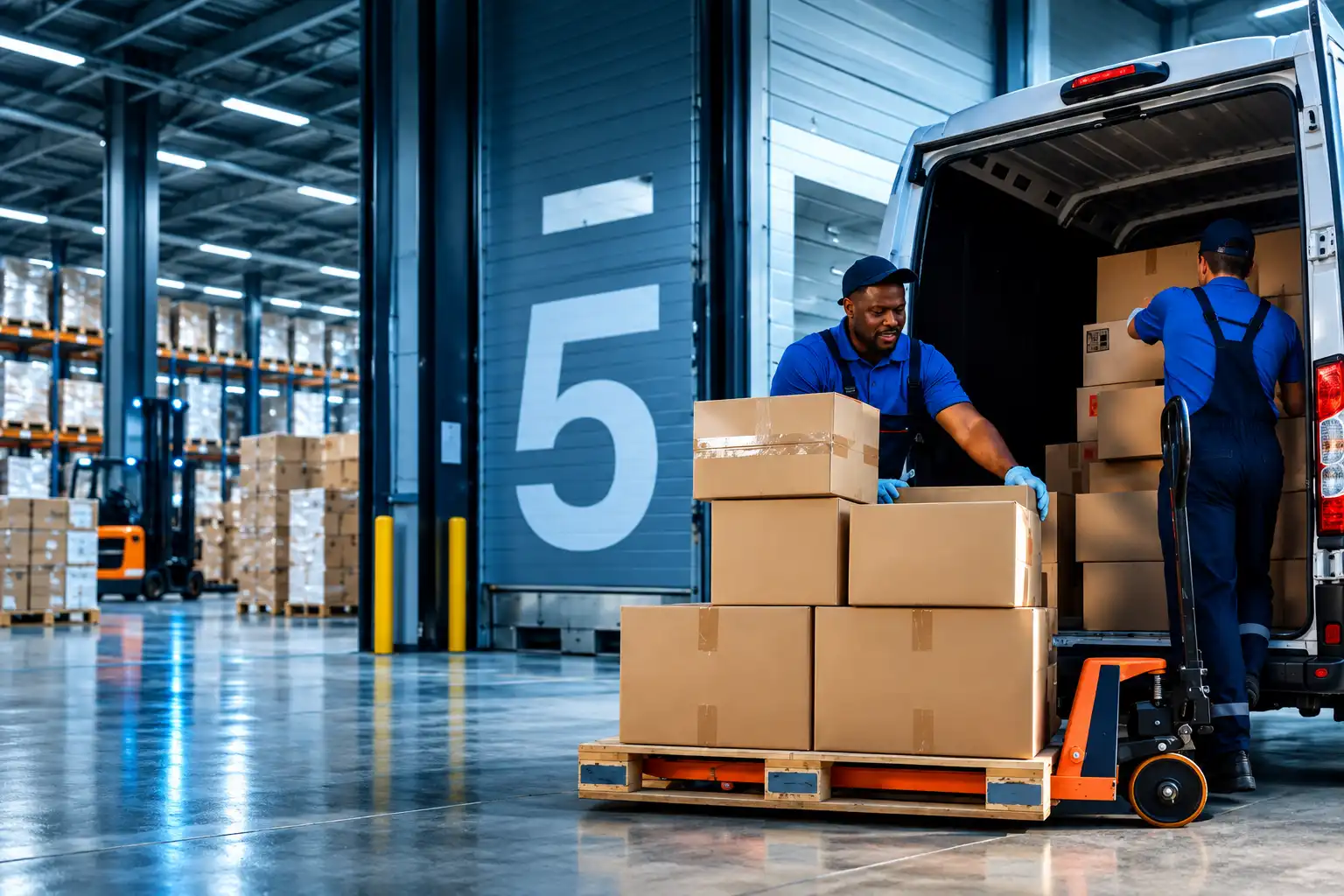
- Excessive manual product movement
- Congested work areas
- Long travel distances
- Inconsistent inventory flow
- Delays between operational zones
- Higher risk of product damage
- Reduced labor productivity
- Difficulty scaling during peak demand
Addressing these challenges requires more than replacing equipment; it requires a coordinated material handling strategy supported by strong warehouse engineering and thoughtful facility design.
Technologies Driving Better Performance
Today's warehouses have access to a wide range of material handling technologies that improve operational efficiency while supporting long-term scalability.
These may include:
- Conveyor and sortation systems
- Autonomous Mobile Robots (AMRs)
- Automated Storage and Retrieval Systems (AS/RS)
- Robotic palletizing and depalletizing
- Goods-to-Person solutions
- Automated picking technologies
- Warehouse Management Systems (WMS)
- Warehouse Execution Systems (WES)
- Warehouse Control Systems (WCS)
When connected through effective warehouse automation integration, these solutions create a seamless flow of inventory throughout the facility.
The Benefits of an Integrated Approach
Investing in individual technologies can improve specific processes, but the greatest gains come from integrating equipment, software, and operational workflows.
An integrated material handling strategy helps organizations:
- Increase order throughput
- Improve inventory accuracy
- Reduce manual handling
- Optimize labor utilization
- Enhance workplace safety
- Improve space utilization
- Support business growth without significant operational disruption
By creating a connected ecosystem, warehouses gain greater visibility into operations and the flexibility to adapt as fulfillment requirements evolve.
Engineering for Long-Term Success
Technology alone cannot create operational flexibility.
Successful warehouse modernization depends on integrating equipment, software, and workflows into a unified operation. Real-time communication between warehouse systems improves visibility, supports faster decision-making, and enables organizations to optimize performance across the entire facility.
This integrated approach also simplifies future technology upgrades, allowing warehouses to expand automation as operational needs change.
Looking Ahead
Material handling is no longer just a supporting function, it is a strategic driver of warehouse performance. As supply chains become more dynamic, organizations that invest in scalable, integrated material handling solutions will be better equipped to improve operational efficiency, respond to changing customer demands, and support future growth.
Modern warehouses don't just move products, they move them intelligently.
Contact Tompkins Solutions to learn how our warehouse automation consulting, engineering, and material handling integration expertise can help you design a smarter, more efficient warehouse that supports today's operational goals and tomorrow's business growth.


About Shaun Kelly


How can we help improve your supply chain operations?
Schedule a consultation or contact Tompkins Solutions for more information.
Featured Posts
Discover valuable resources to enhance your knowledge.

.png)